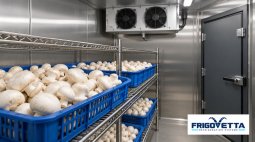
Onion and Garlic Storage
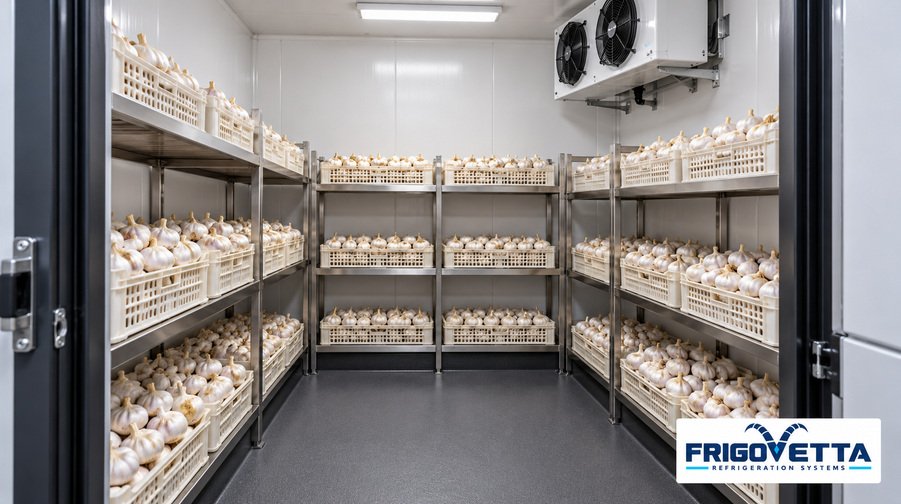
Onion and Garlic Storage
Onion and garlic storage depends on the condition of the bulbs before the doors close. Dry outer skins, properly cured necks and a suitable storage environment all contribute to keeping the crop marketable. A room designed for high-humidity leafy vegetables will not automatically provide the right conditions for cured onions or garlic.
Frigovetta Refrigeration System designs, manufactures and installs storage facilities for dry bulb onions and whole garlic bulbs. These vegetable cold storage projects are planned around harvest conditions, the curing arrangements and the quantity of stock released to market throughout the season.
Confirm What Enters the Store
Some facilities receive freshly harvested bulbs; others take in crops that have already been cured. That difference changes the work the installation needs to perform. A refrigerated holding room should not be expected to dry a wet harvest unless the necessary drying functions have been included in its design.
The intake plan should identify the crop’s condition, packaging and intended storage period. Bulbs showing decay or significant damage need assessment and segregation. Keeping delivery batches identifiable gives operators a practical way to monitor changes and prioritise dispatch.
Drying Necks and Outer Skins
Curing onions and garlic involves drying the neck tissues and outer layers of the bulb. The process helps prepare the crop for storage, but its duration and conditions depend on the product and the state in which it was harvested.
Where curing is included, the project must address air distribution and the removal of moisture released by the crop. Heating, ventilation or dehumidification may be needed according to the local climate and the selected process. The controls should distinguish this stage from subsequent holding, when the aim is to maintain suitable conditions without unnecessary weight loss.
Humidity Is a Design Requirement
Cured onions and garlic generally need lower storage humidity than many fresh vegetables. Persistent dampness can encourage rooting and decay, while excessive drying reduces saleable weight. Temperature and relative humidity therefore need to be considered together.
Cold room refrigeration systems are selected around the agreed operating conditions, product loads and ambient climate. Where additional humidity control is required, it should be specified explicitly. Refrigeration alone should not be assumed to maintain every humidity target under every loading condition.
Cold room evaporators are coordinated with that design so that cooling performance, moisture removal and air distribution support the storage programme.
Air Must Reach the Bulbs
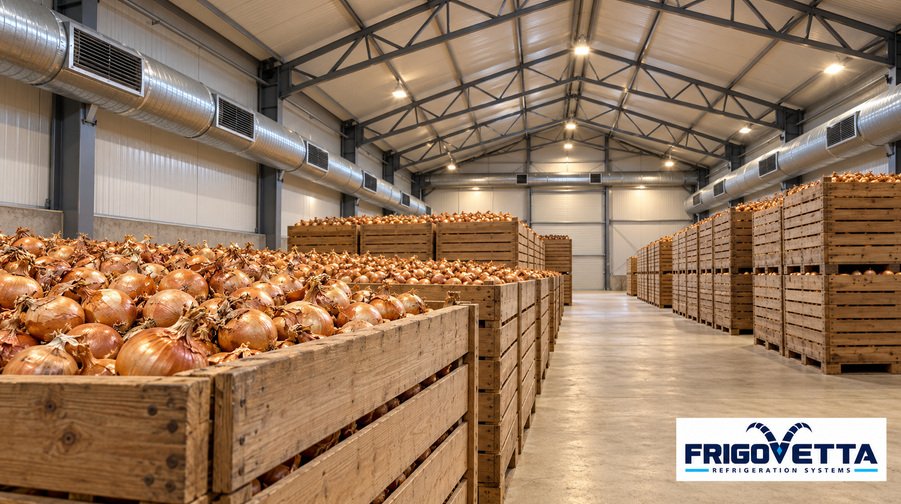
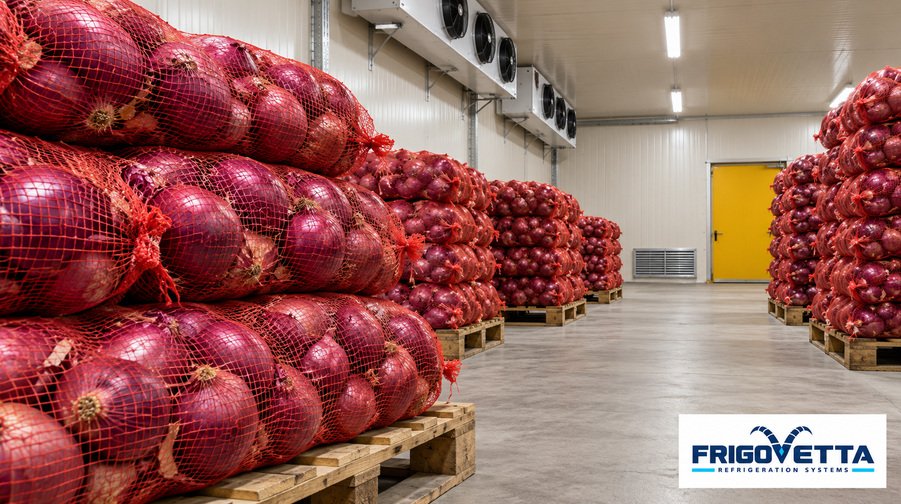
A fan moving air around a room does not necessarily ventilate the centre of a dense load. Bulk onions, ventilated bins and bagged produce create different resistance to airflow. Container openings, stacking depth and clear air routes must be considered before the room layout is finalised.
The installation may require dedicated ducts or a pressure-based ventilation arrangement suited to the storage format. Temperature and humidity checks at representative positions can help operators identify uneven conditions rather than rely on a reading taken beside the door.
Match Holding to the Variety
Onion varieties differ in their storage potential, and garlic also needs a programme suited to its type and intended holding period. Storage conditions influence sprouting, but refrigeration does not guarantee that stored bulbs will remain free of sprouts. Any additional crop-management measures belong in the agreed operating plan.
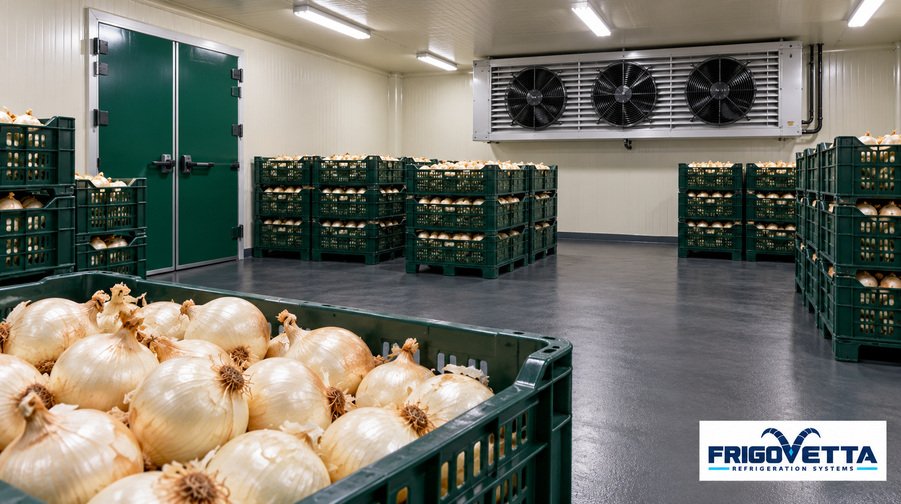
Cold room panels form the insulated enclosure, while sliding cold room doors provide access matched to the handling equipment. Dispatch planning should also consider condensation when cold bulbs encounter warm, humid air during transfer or packing.
Define the Complete Installation
Our turnkey cold storage solutions combine the agreed enclosure, refrigeration, ventilation, doors and controls. Provide your onion and garlic varieties, harvest volumes, arrival condition, bulk or packaged storage format and sales schedule. Confirm whether curing takes place on site so the project covers the functions your operation actually needs.
Galeri