Poultry Giblet Cold Storage
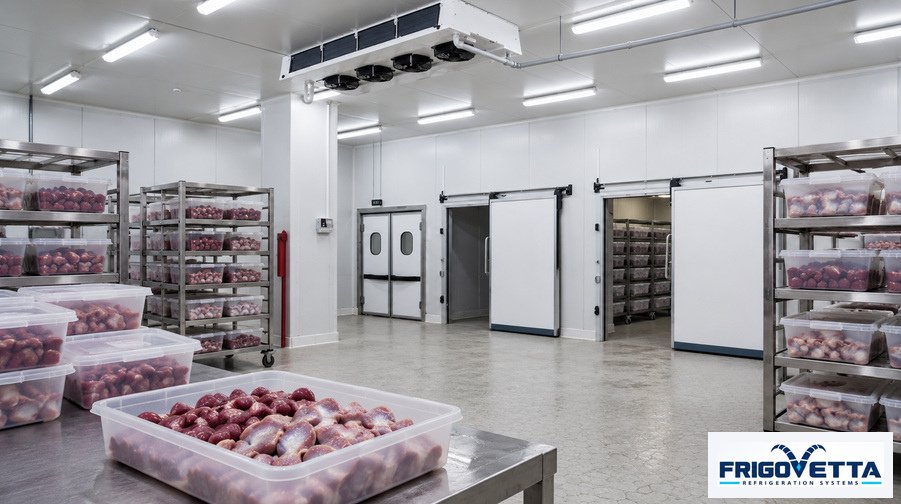
Poultry giblet cold storage provides refrigerated space for edible hearts, livers and prepared gizzards awaiting packing or further processing. These products follow different preparation routes from whole birds and portions. The room layout needs to accommodate their collection, inspection and handling without mixing cleaned products with material still requiring preparation.
Frigovetta Refrigeration System designs, manufactures and installs refrigerated rooms for giblet handling within its poultry cold storage projects. Each project defines which products enter the room, their preparation stage and whether refrigeration must provide initial chilling or maintain already chilled stock.
Identify the Preparation Routes
Hearts and livers may arrive from inspection while gizzards require opening, emptying and cleaning before entering the designated clean-product route. The refrigeration layout should follow the site’s processing sequence, with separation appropriate to the contamination risks at each stage.
A shared product name does not make every load suitable for the same handling area. Containers awaiting preparation, rejected material and cleaned edible products need clearly defined destinations. Transfer points should also allow staff to identify batches awaiting inspection or release without placing them among available stock.
Coordinate Collection With Packing
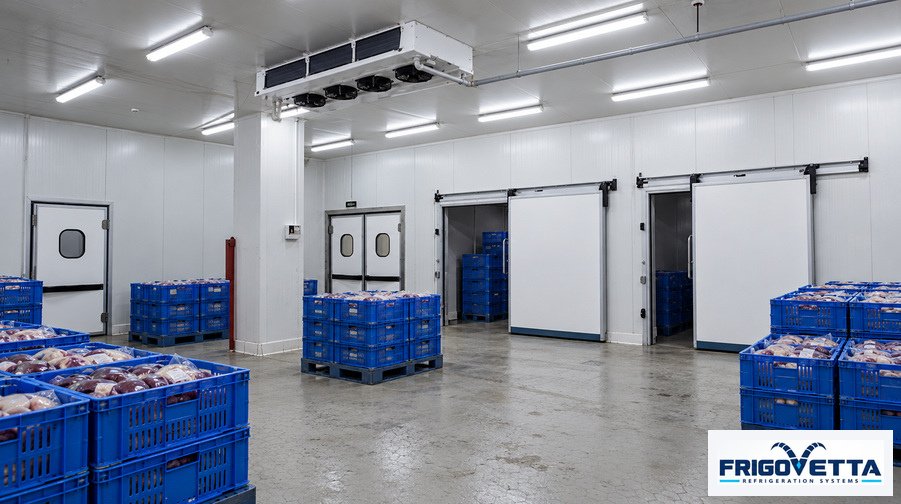
Giblets can accumulate while the main poultry line continues to run. Packing may operate intermittently or combine several product types into a single pack. Storage capacity therefore depends on collection rates and packing intervals, not simply the number of birds processed each day.
The project brief should identify the peak quantity of each organ held at one time. Separate, identifiable positions help operators supply the required products without repeatedly moving unrelated containers. Batch records should remain connected to the product through any sorting, combining or transfer operation.
Specify the Container Load
Warm giblets collected in a deep container present a different cooling task from previously chilled packs arriving for short-term holding. Fill depth, container material and the way products settle together can affect heat removal. A cold surface cannot confirm that the warmest part of the load has reached its required condition.
Cold room refrigeration systems should be selected for the agreed incoming temperatures, batch quantities and cooling requirements. If chilling occurs in the room, product checks must address representative containers and loading patterns. The permitted chilling time and storage conditions belong in the processor’s validated procedures, rather than being assumed from a room setpoint.
Arrange Space for Small Loads
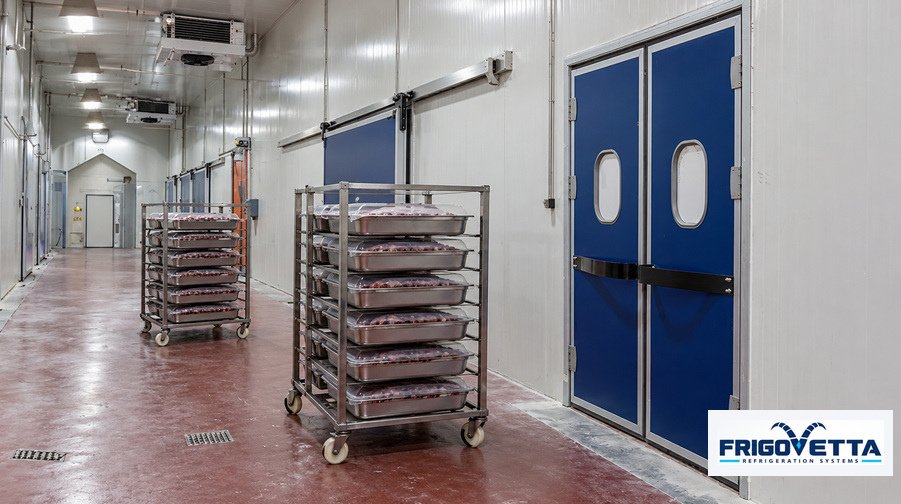
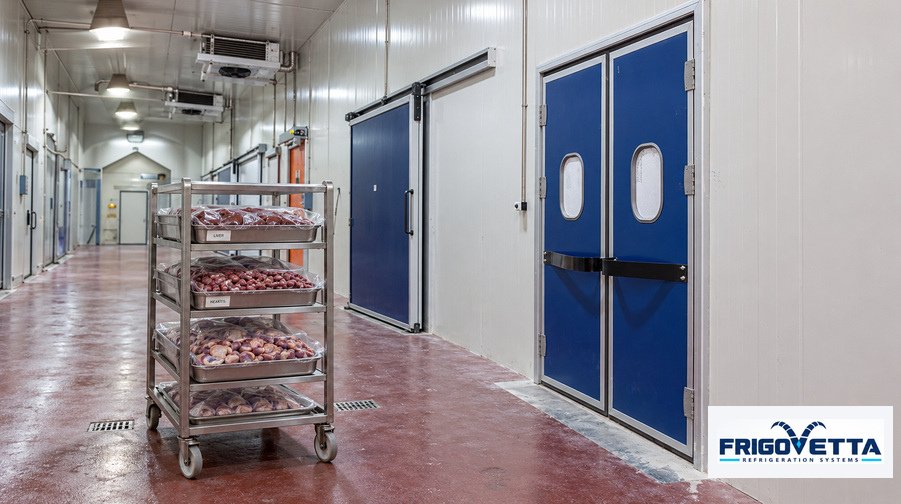
Individual trays may be manageable, but a large number of them can create congested handling space. Trolley dimensions and shelf positions should allow containers to be removed without reaching over exposed product or disturbing neighbouring loads. Leakage must be managed so that one container cannot contaminate another.
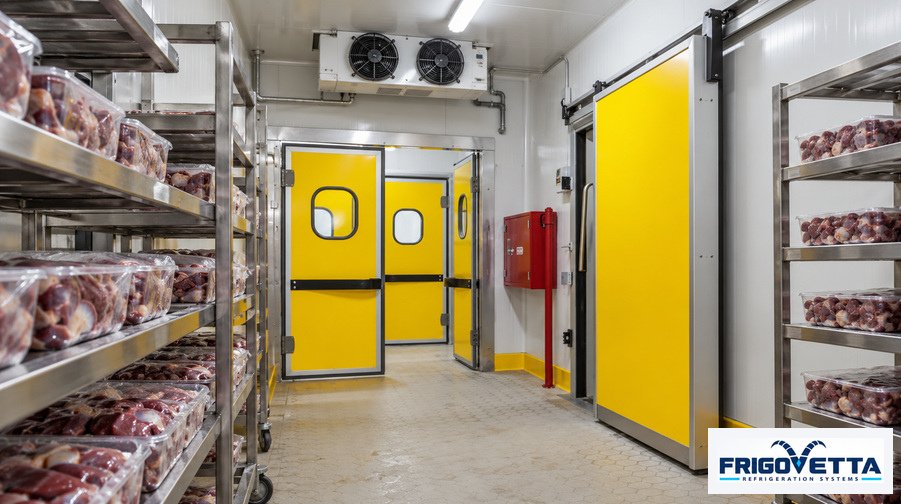
Where stainless steel cold room shelving is used, shelf spacing, load capacity and cleaning access should suit the actual containers. Cold room evaporators need to serve the occupied positions while preserving the planned air paths. Exposed products also require attention to moisture loss and protection during handling.
Keep Container Returns Separate
Used tubs and trolleys need a defined route to washing. Returning them through clean-product positions can undermine separation achieved elsewhere in the process. Space for container exchange should be included before the room’s usable capacity is finalised.
Cold room panels and their junctions should suit the specified sanitation regime. Floors, drainage and service penetrations need coordinated detailing, with access for inspection and cleaning. Refrigeration supports temperature control; effective hygiene still depends on preparation, handling and sanitation throughout the operation.
Define the Next Destination
Giblets may leave as chilled packs, be supplied for further processing or move to a separate freezing operation. These routes should be defined before sizing the holding area. For frozen distribution, blast freezer refrigeration systems are assessed against the chosen pack format and required freezing duty.
Frigovetta’s turnkey cold storage solutions connect the refrigerated rooms with these agreed process interfaces. Provide organ types, collection rates, container sizes, incoming temperatures and packing intervals to establish a project scope suited to the actual giblet operation.
Galeri