Kiwi and Pomegranate Storage
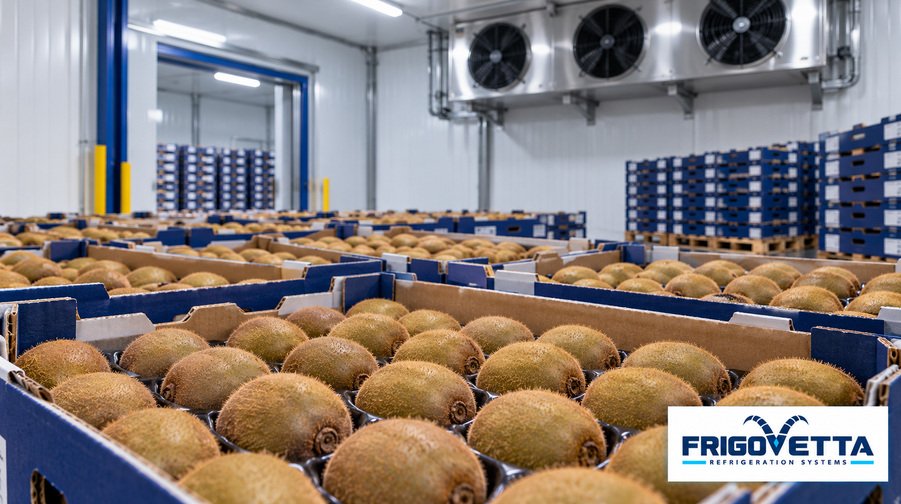
Kiwi and Pomegranate Storage
Kiwi and pomegranate storage requires separate decisions about temperature, atmosphere and holding time. These fruits may pass through the same packing business, but they should not automatically share one storage programme. Kiwifruit can soften following exposure to small amounts of ethylene, while pomegranates can suffer chilling injury when storage is too cold for too long.
Frigovetta Refrigeration System designs, manufactures and installs facilities that accommodate these differences. Our fruit cold storage projects can incorporate independently controlled chambers, allowing operators to manage each crop according to its variety, arrival condition and planned release date.
Kiwi Storage and Ethylene Exposure
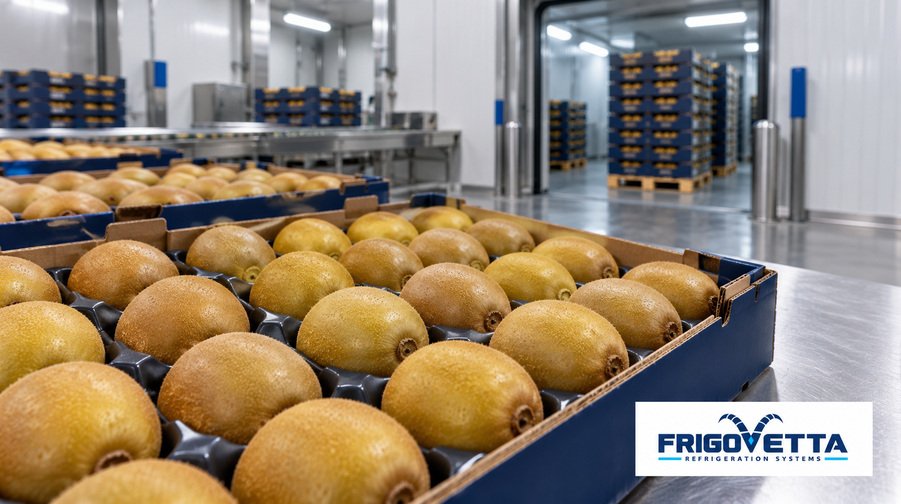
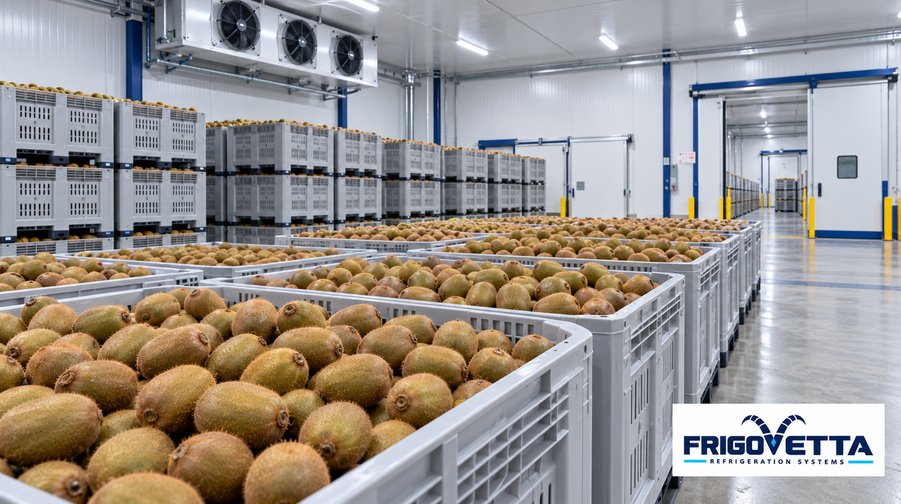
For kiwifruit intended for storage before ripening, maintaining firmness is a central concern. Temperature control matters, but so does the air reaching the fruit. Ethylene from ripening produce or other sources can accelerate softening even when the room appears to be operating normally.
Project planning therefore considers neighbouring rooms, shared handling spaces and potential air transfer between areas. Where the storage programme requires ethylene monitoring or removal, these functions need to be specified explicitly. A standard refrigeration unit does not, by itself, control ethylene concentration.
Intentional ripening should be treated as a separate operating stage. Keeping that activity distinct from storage helps the facility manage stock for later orders without exposing it unnecessarily to ripening conditions.
Pomegranate Temperature and Moisture
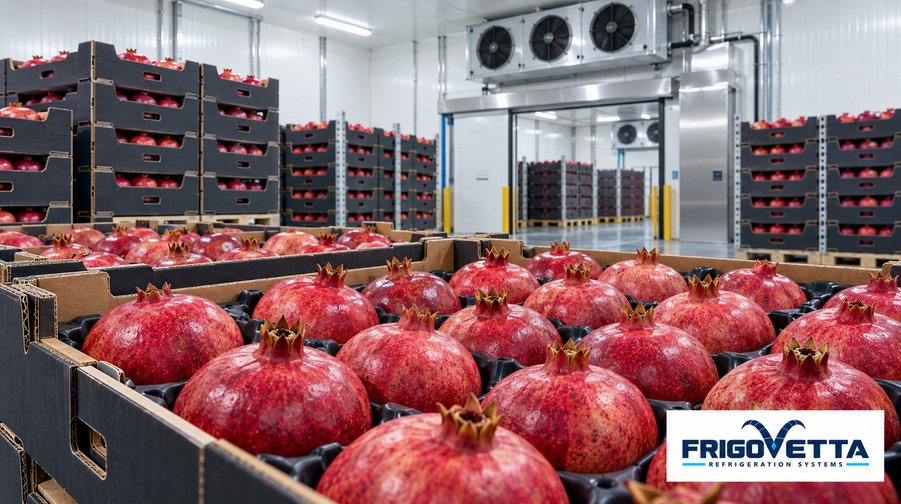
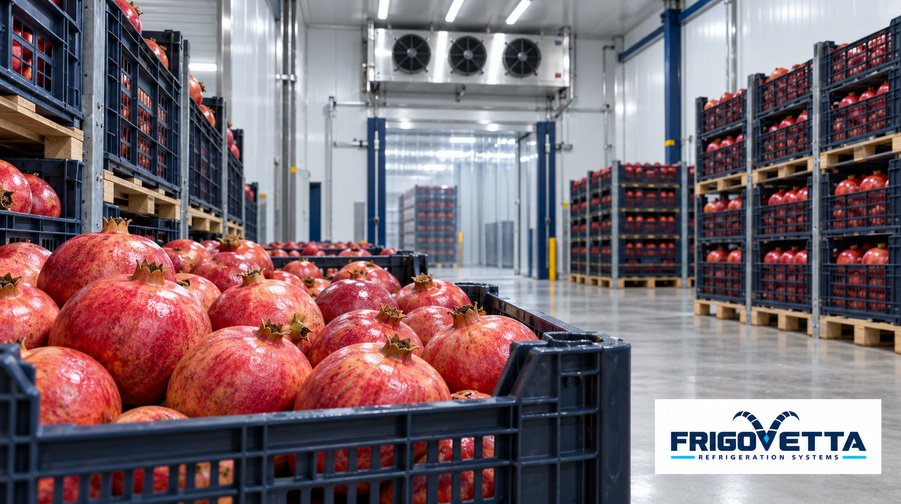
Pomegranate skin can look robust, yet the fruit remains vulnerable to water loss. Shrivelling can reduce its appeal before the internal arils appear seriously affected. Moisture management therefore forms part of the room specification, together with the packaging used during storage.
Lowering the temperature is not always the right response to a longer holding period. Pomegranates are susceptible to chilling injury, and the risk depends on temperature and exposure time. The agreed storage conditions must reflect the cultivar and intended duration rather than simply follow settings used for another fruit.
Cold room evaporators are selected with the moisture requirements and cooling duty in view. Air distribution must reach the stored load while avoiding unnecessary drying at exposed pallet positions.
Separate Chambers, Shared Infrastructure
A facility handling both crops can share receiving and dispatch resources while maintaining separate storage environments. Chamber size should follow the quantity of each fruit expected at one time, rather than divide the building into equal rooms by default.
Cold room panels form the insulated partitions and enclosure. Each chamber’s controls and refrigeration arrangement must support its specified conditions. Depending on the project, cold room refrigeration systems can be configured to serve these different duties within a coordinated installation.
Access planning is equally important. Sliding cold room doors should suit the pallet dimensions and available handling space, with room assignments that keep frequently accessed stock from disrupting batches intended for longer storage.
When Controlled Atmosphere Is Needed
For suitable kiwifruit programmes, controlled atmosphere storage may help retain firmness. It requires a dedicated design, including a gas-tight enclosure, atmosphere monitoring and appropriate gas-management equipment. Ordinary cold storage construction alone does not provide those functions.
Controlled atmosphere capability should be included only where the product programme justifies it. Gas targets require specialist selection, and chamber entry requires a defined procedure for verifying a safe atmosphere.
Building the Project Brief
Our turnkey cold storage solutions bring together the agreed room construction, cooling equipment, doors and controls. To plan a kiwi or pomegranate facility, provide the cultivars, intake schedule, packaging, expected storage periods and any ripening or atmosphere-control requirements.
These details establish which functions can be shared and which need their own controlled space, giving the installation a practical basis for seasonal operation.
Galeri