Chilled Meat Storage
Chilled Meat Storage
Chilled meat storage keeps previously cooled meat under controlled conditions between processing and dispatch. The practical challenge is maintaining those conditions while orders are picked, new stock arrives and different batches move through the room. Storage layout and refrigeration need to support these movements without leaving products waiting in unsuitable areas.
Frigovetta Refrigeration System designs, manufactures and installs chilled storage facilities for meat processors, wholesalers and distribution operations. Within our meat cold storage projects, each room is planned around the product format, stock turnover and handling arrangements used on site.
Establish What Enters the Store
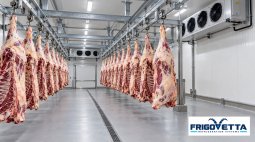
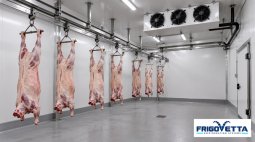
Hanging meat, vacuum-packed cuts and cartons of retail packs place different demands on a storage room. The project brief should identify which products arrive, their expected temperatures and how they will be handled. A room intended to hold chilled stock should not be assumed to have the capacity to cool warm meat from production.
Cold room refrigeration systems are selected around the agreed incoming conditions, heat gains and operating schedule. Storage temperatures must follow the requirements of the meat and its packaging, with suitable control to avoid unintended freezing. There is no single setting or storage duration appropriate for every product.
Match the Layout to Packaging
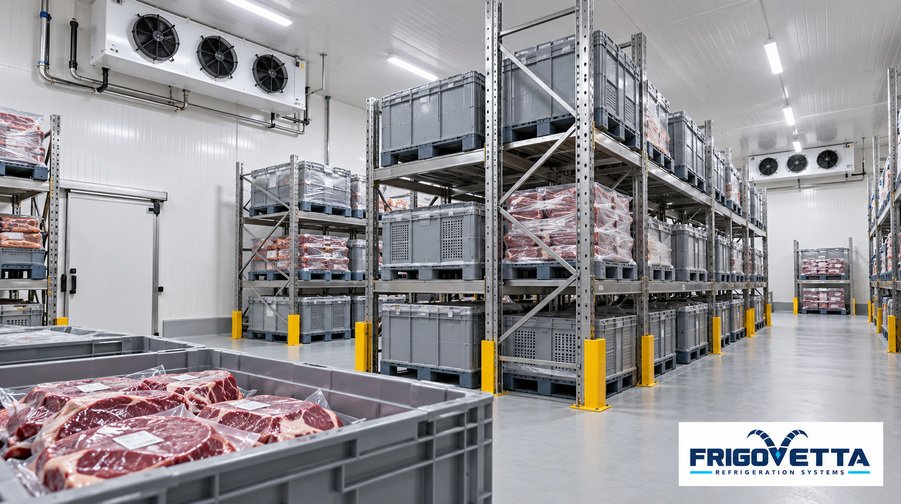
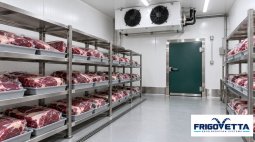
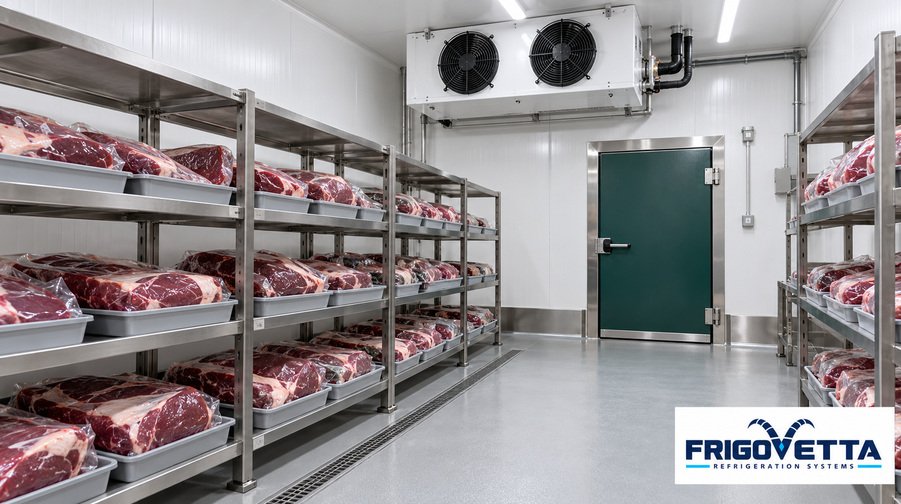
A pallet position is only useful if staff can load it, identify its contents and retrieve the required batch. Aisle widths, rack access and order-picking space should be established before the room’s nominal capacity becomes a stock target. Cartons must remain within their stacking limits, with loading patterns that preserve the planned air paths.
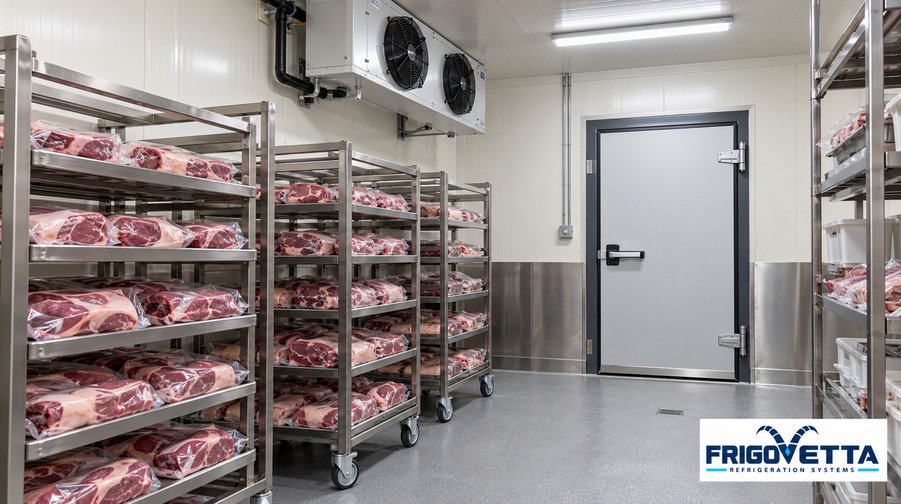
Exposed meat requires handling arrangements that prevent contact with outer packaging, dirty containers or other contamination sources. Where different formats share a facility, their separation should follow the site’s hygiene plan. Packaging condition also matters: a leaking or damaged pack needs assessment under the processor’s procedures, rather than simply being returned to saleable stock.
Maintain Air Paths Between Loads
Filling the gap beneath an air cooler or using a return-air space for overflow stock can change conditions elsewhere in the room. Clearances need to be visible in the storage plan and practical to maintain during busy periods.
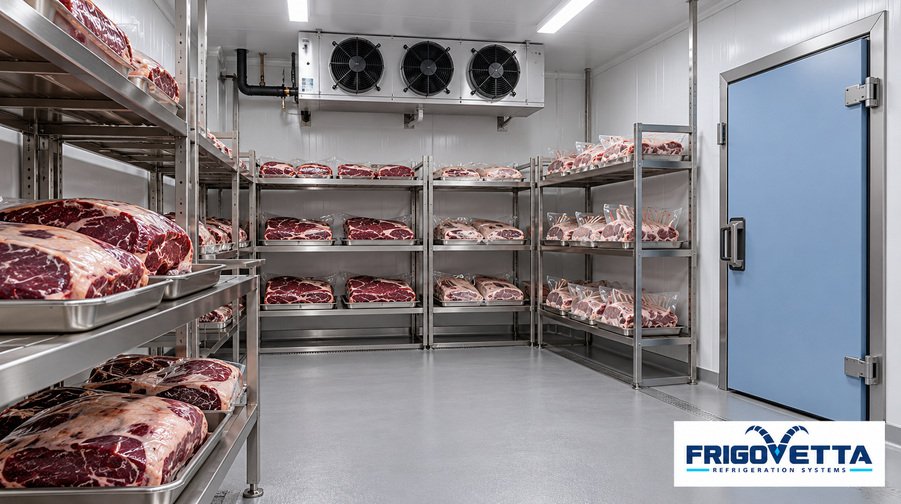
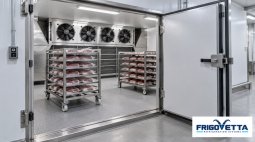
Cold room evaporators should be selected and positioned for the loaded room. Exposed meat needs particular attention to air movement and moisture loss, while packaged stock still requires suitable temperature distribution. The insulated enclosure, including cold room panels and sealed joints, helps limit heat and moisture entering from surrounding areas.
Make Stock Rotation Accessible
The oldest delivery is not always the batch with the earliest expiry. Packing dates, validated shelf life and any restrictions on release need to remain visible in the stock records. Locations should allow staff to retrieve the appropriate batch without unloading unrelated products into a warmer area.
Room monitoring supports this process, but cannot establish remaining shelf life on its own. Product history, packaging and condition at packing also influence how long meat can be held. Agreed alarm limits and response procedures help staff investigate temperature deviations and assess affected stock.
Prepare Orders for Dispatch
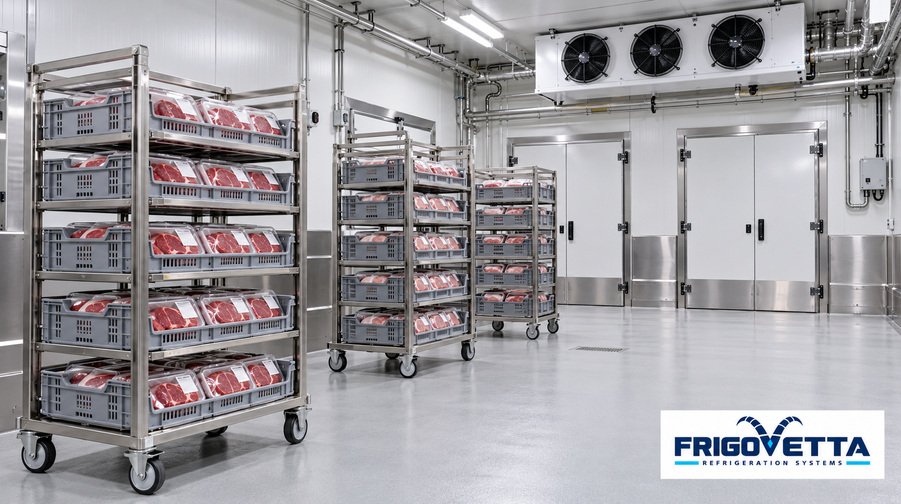
Order assembly can become a weak point when picked cartons wait beside an open loading door. The layout should provide a suitable chilled staging area where dispatch volume and waiting times justify it. Vehicle readiness and loading sequence should be coordinated before stock leaves controlled storage.
Sliding cold room doors can be sized around pallet or trolley movements, with clear access and space for safe operation. Door positions should support the actual route to dispatch and reduce unnecessary travel through the store.
Specify a Store Around Your Stock
Share the product list, packaging formats, maximum stock, daily movements and expected holding periods when planning the installation. Include seasonal peaks and the space needed for picking, inspection and segregated stock.
Frigovetta’s turnkey cold storage solutions combine the refrigerated enclosure, cooling equipment, access doors and agreed monitoring arrangements. Commissioning should check temperature distribution under representative loading conditions, so usable capacity reflects how the store will operate.
Galeri