Fresh Fish Cold Storage
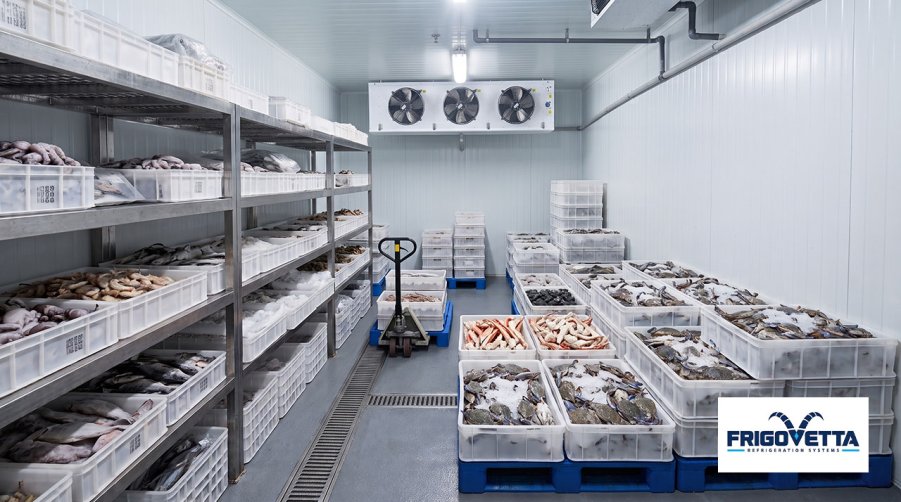
Fresh fish cold storage keeps chilled fish under controlled conditions between landing, processing and dispatch. For operations handling fish in ice, the room works alongside the ice surrounding the product. Receiving condition, box drainage and the time spent waiting for the next operation all influence how well that arrangement performs.
Frigovetta Refrigeration System designs, manufactures and installs chilled fish rooms within its seafood cold storage projects. Each project is planned around the species handled, product format, incoming temperature and the daily pattern of deliveries and collections.
Start With the Receiving Condition
Fish may arrive from a landing site, an aquaculture facility or another processing plant. These routes can involve different periods in transit and different chilling methods. Receiving checks should address product temperature, condition and available handling records according to the site’s acceptance procedures.
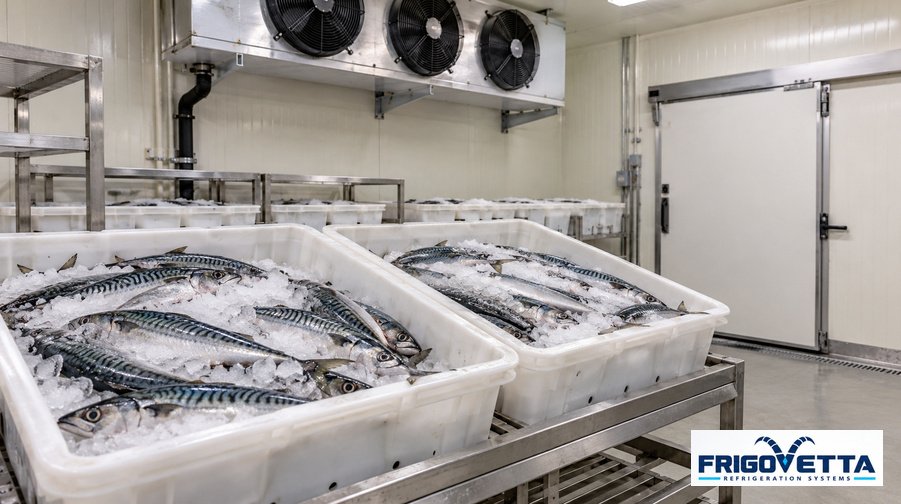
Putting a delivery into a cold room does not reverse deterioration that occurred earlier. Some species, including tuna and mackerel, also require specific controls against histamine formation. Once formed, histamine is not removed by refrigeration or freezing. The storage project must support the processor’s controls rather than assume that a lower room setting can correct an unsuitable incoming load.
Keep Ice in Contact With Fish
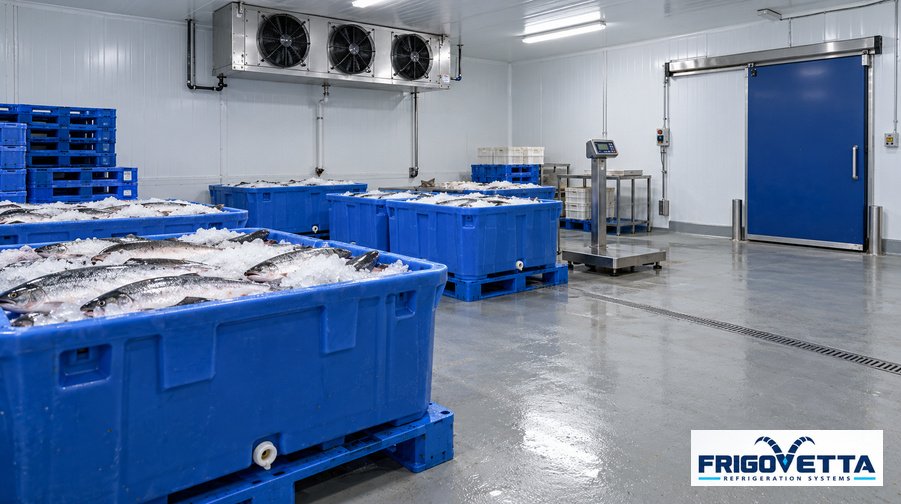
Fresh fish handled in ice is generally kept close to the temperature of melting ice. Adequate ice contact and replenishment help maintain that condition, while the refrigerated room limits heat entering from the surroundings. The quantity required depends on incoming fish temperature, handling time and heat exposure along the route.
Cold room refrigeration systems should be selected for the actual duty, including any cooling still required after receipt. A room intended for holding already chilled fish should not automatically be expected to chill warm deliveries at the required rate. Ice supply and handling arrangements need to be defined separately within the project scope.
Give Meltwater a Controlled Route
Ice melts during use, so drainage is a normal part of an iced-fish operation. Boxes should allow meltwater to leave as intended without draining through fish or clean packaging in lower positions. The container arrangement must be assessed together with the floor and drainage layout.
Blocked outlets, uneven stacking or overloaded boxes can interfere with this route. Staff need access to inspect containers and deal with leakage without moving the entire load. Floor drainage should collect water effectively while supporting cleaning and preventing contamination of stored product.
Allow Access Without Crushing Loads
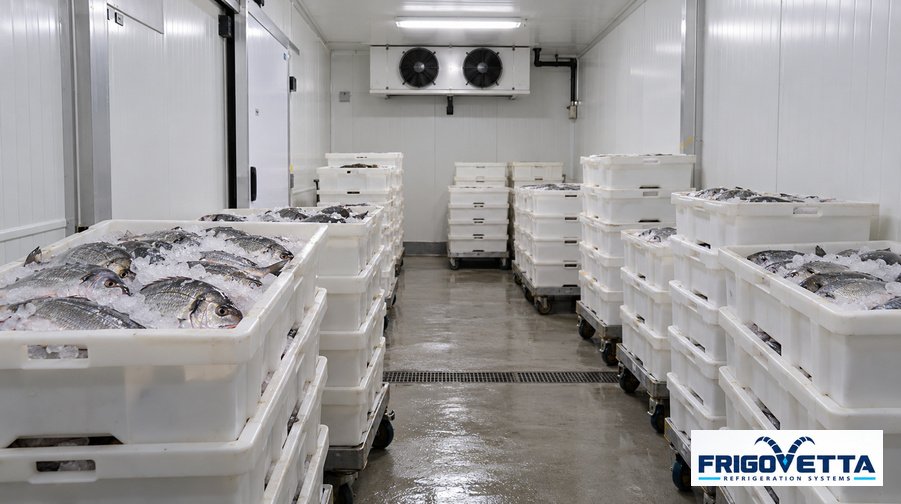
Stack height is limited by the container’s design and the load it can support. The weight of upper boxes should be carried by the boxes, not transferred onto the fish below. Product protection and safe retrieval matter as much as the number of boxes that fit inside the room.
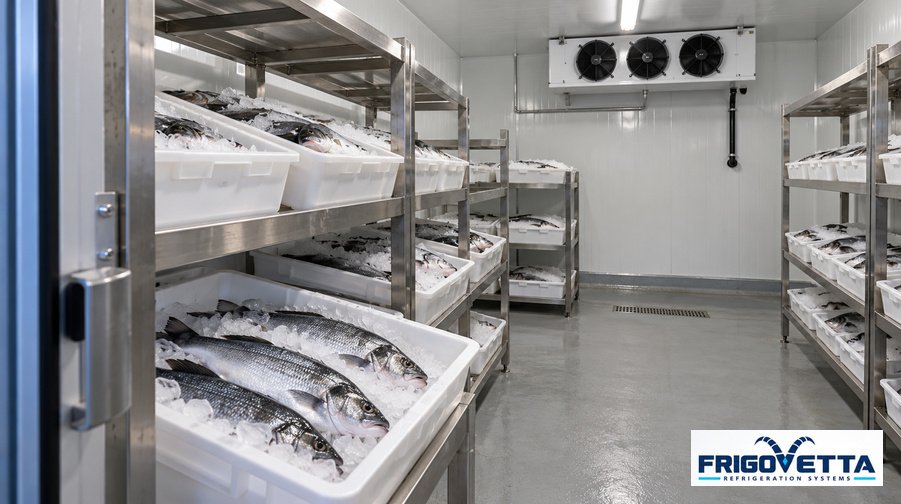
Separate locations can help identify species, delivery batches and stock awaiting assessment. Where smaller containers are held on stainless steel cold room shelving, shelf dimensions and load ratings must suit them. Access for inspection and ice replenishment should remain available during peak occupancy.
Select Equipment for the Environment
Wet handling areas and, where present, salt exposure influence equipment selection. Cold room evaporators should be assessed for the actual environment and cleaning chemicals, with suitable materials or protective treatments specified where needed. Cleaning access and condensate drainage also belong in the selection process.
Cold room panels and their joints need detailing compatible with the sanitation regime. Air distribution should serve the planned layout without exposing unprotected fish to unnecessary drying. Different pack formats, including sealed fillet packs, require their own handling assessment rather than automatic treatment as iced whole fish.
Plan the Next Movement
Fish should leave storage through a defined route to preparation, packing or dispatch, with waiting time controlled by the site’s procedures. Sliding cold room doors can be sized for the selected boxes, trolleys and pallets, allowing movement without creating an obstruction at the entrance.
Frigovetta’s turnkey cold storage solutions bring the refrigerated room into this handling sequence. For a proposal, provide the species list, container details, ice-handling method, peak stock and delivery schedule. These inputs establish a facility suited to the fish actually received and the way it will be sold.
Galeri