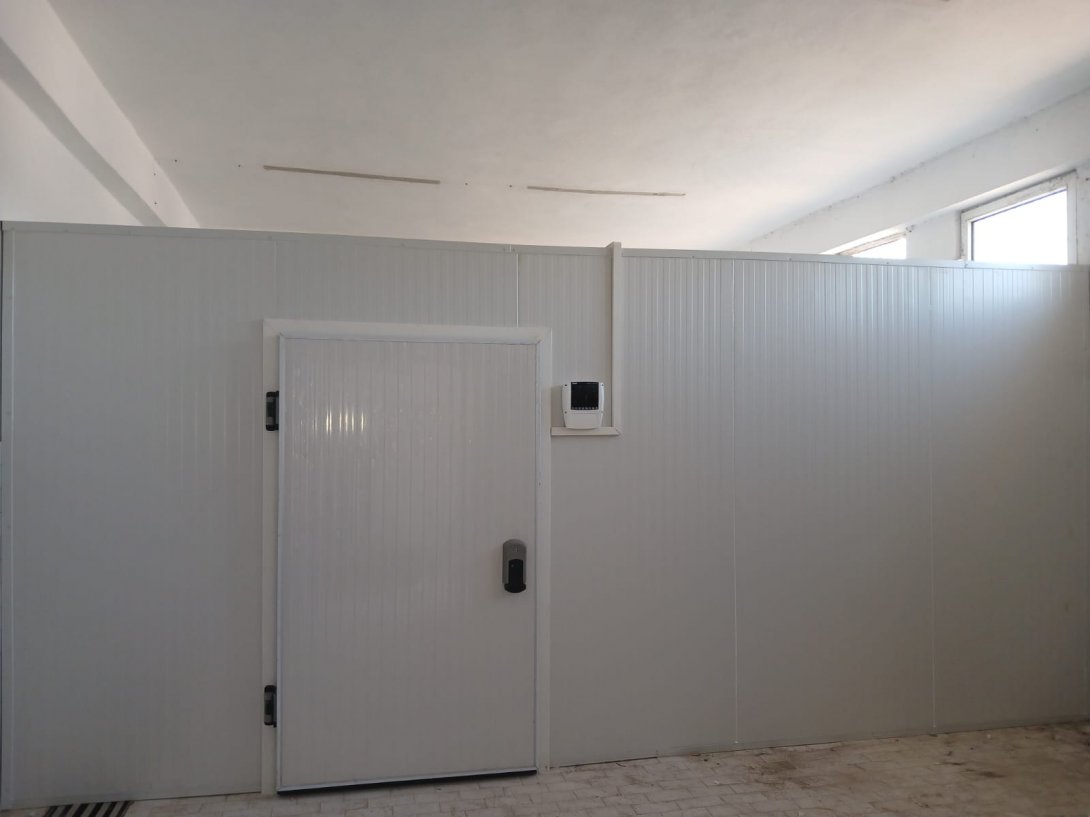
Preventing Ice Around Door Openings
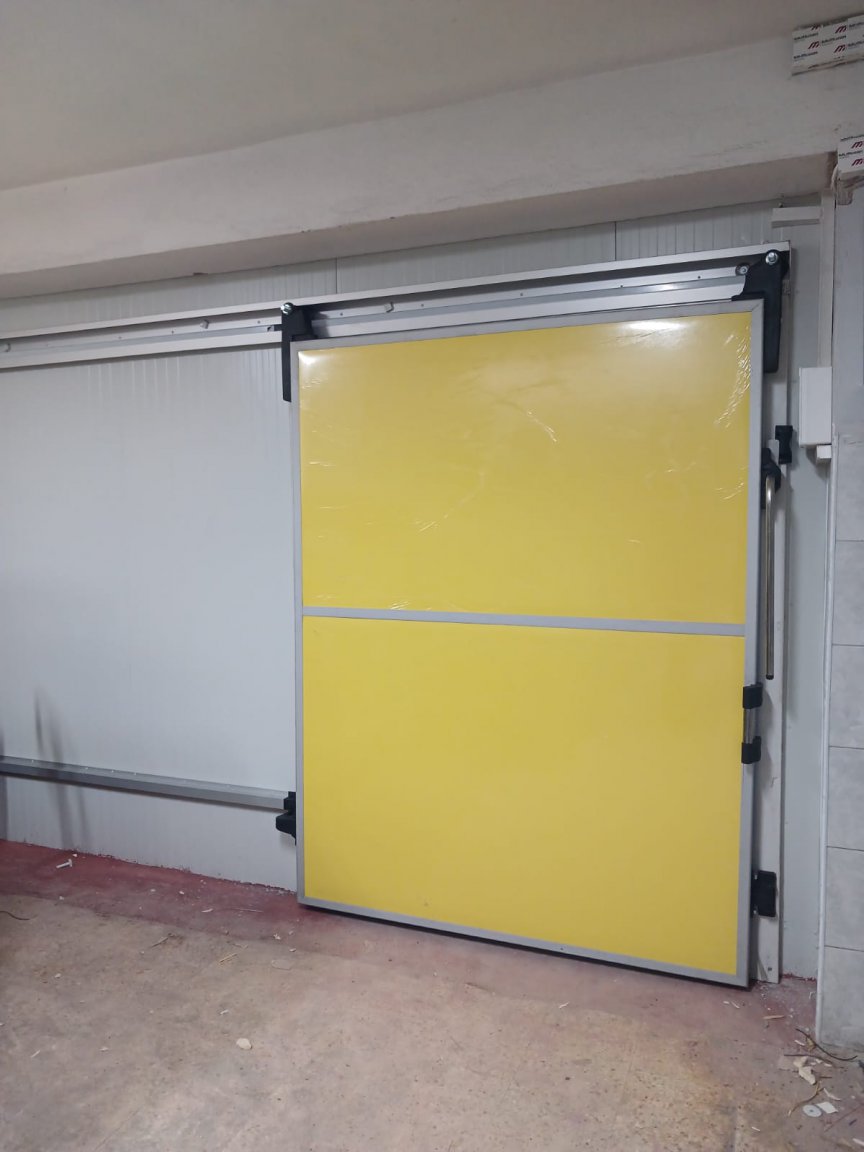
Preventing Ice Around Door Openings
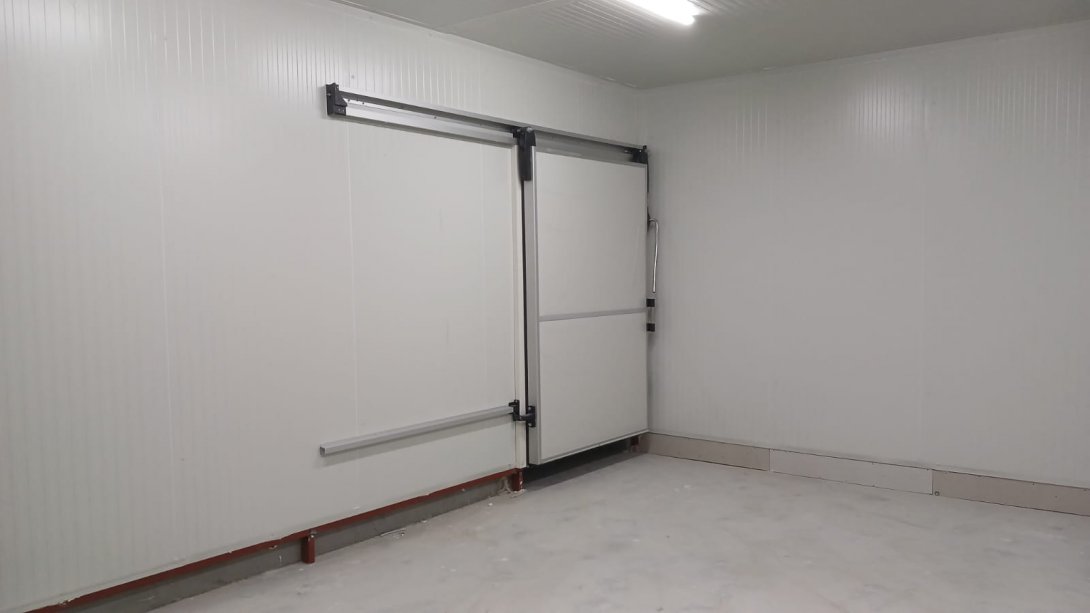
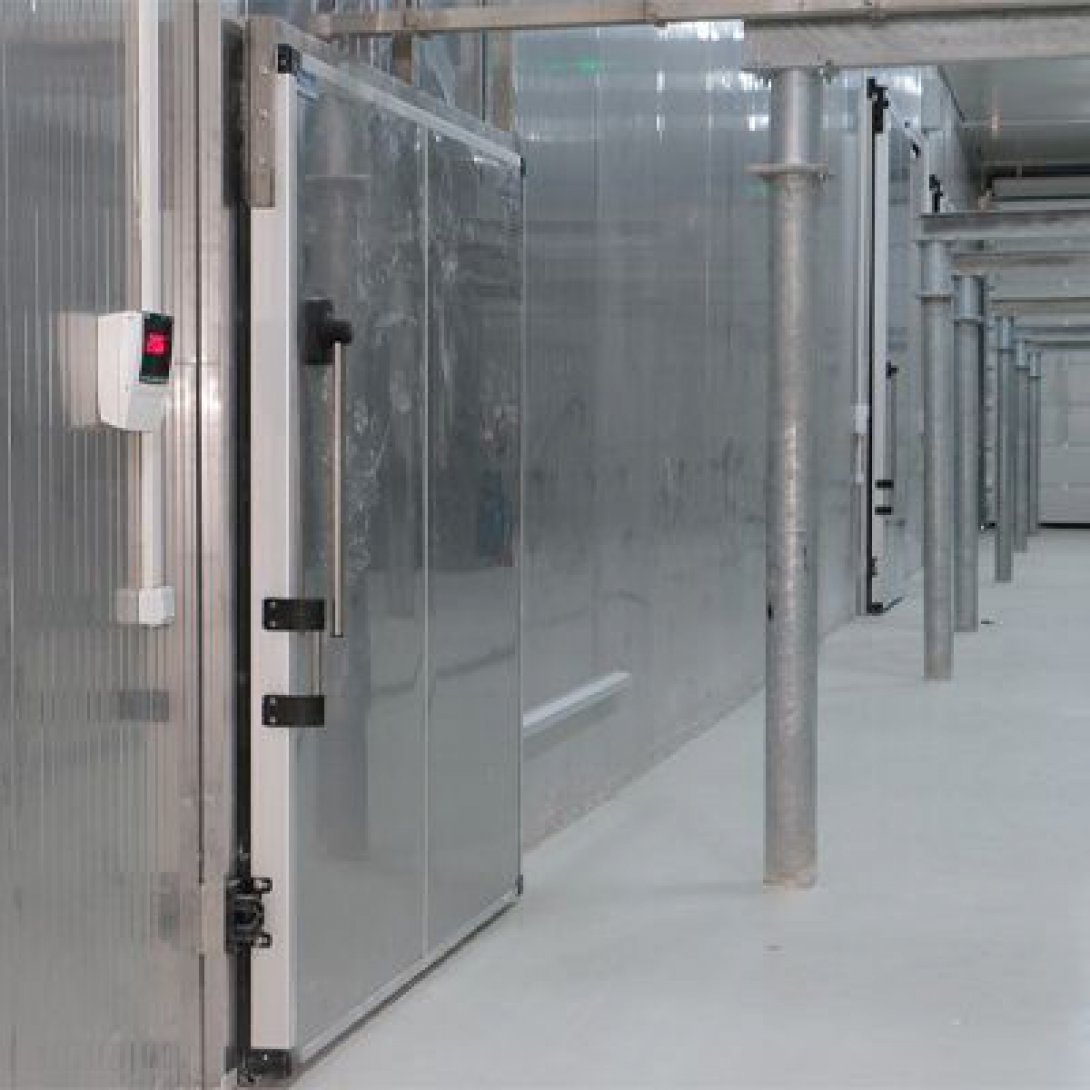
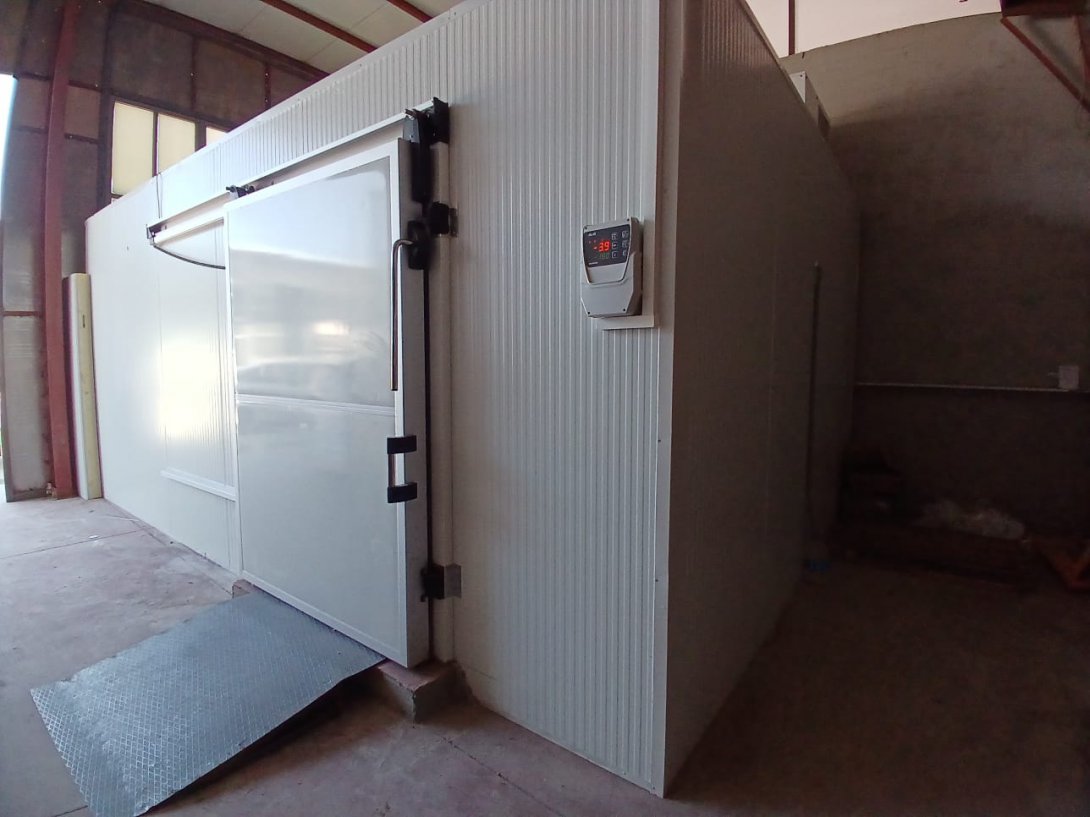
Ice returning to a freezer doorway after every loading period is a sign to examine how moisture reaches the opening. Removing the ice restores access temporarily, but prevention depends on reducing the water or humid air feeding it. Start with the work happening around the sliding door, including deliveries, cleaning and nearby entrances.
Follow the Moisture Back
Compare when the area is dry with when ice begins to appear. Frost after repeated transfers may point towards humid air entering during door openings. A frozen trail following washdown suggests checking where cleaning water travels. Neither pattern is a diagnosis on its own.
Look beyond the freezer frame. An external loading door left open nearby can expose the approach area to more humid outside air. Wet trolley wheels, dripping containers or a local water leak can also bring liquid water towards the threshold.
Record the timing and location before deciding which change to make. This helps separate an occasional spill from a recurring operating problem.
Remove Waiting From the Opening
Have the receiving position ready before opening the freezer door. Keep scanning, paperwork and decisions about storage locations away from the threshold so the entrance does not remain open while the load waits.
For automatic doors, review repeated activation by passing traffic or loads parked within the detection area. A qualified installer can assess the activation arrangement. Shortening a closing delay without allowing safe passage is not an appropriate way to reduce open time.
Where a vestibule is provided, follow its intended door sequence. Leaving both openings exposed together can undermine the separation it was designed to provide.
Keep Cleaning Water Under Control
Use the approved cleaning procedure for the doorway and its operating temperature. Prevent wash water from being pushed across the freezer threshold, and collect residual water using the specified method before reopening the route.
If water repeatedly pools at the same location, investigate the source and floor detail with the maintenance team. Do not assume the door heater is intended to dry the surrounding floor.
Existing ice needs controlled removal under the site procedure. Restrict access where it creates a slipping or handling hazard, and avoid improvised chipping or heating that could damage seals, finishes or concealed components.
Address Persistent Humidity
If icing continues after obvious water sources and unnecessary open time have been addressed, arrange a wider assessment. This should consider door closure, the specified heating system, adjoining-area humidity and air movement through the entrance.
Depending on the findings, a specialist may assess a vestibule or dehumidification suited to the operating conditions. Equipment selection needs to account for temperature and moisture load; a general-purpose unit should not be assumed suitable for freezer service.
Check the result through comparable loading and cleaning periods. A clear threshold immediately after ice removal does not yet show that the source has been controlled.
For projects involving
Sliding Cold Room Doors, share these operating conditions with Frigovetta Refrigeration System. They help the door arrangement fit the facility’s moisture-control plan.