Finding Gaps Around Door Seals
Finding Gaps Around Door Seals
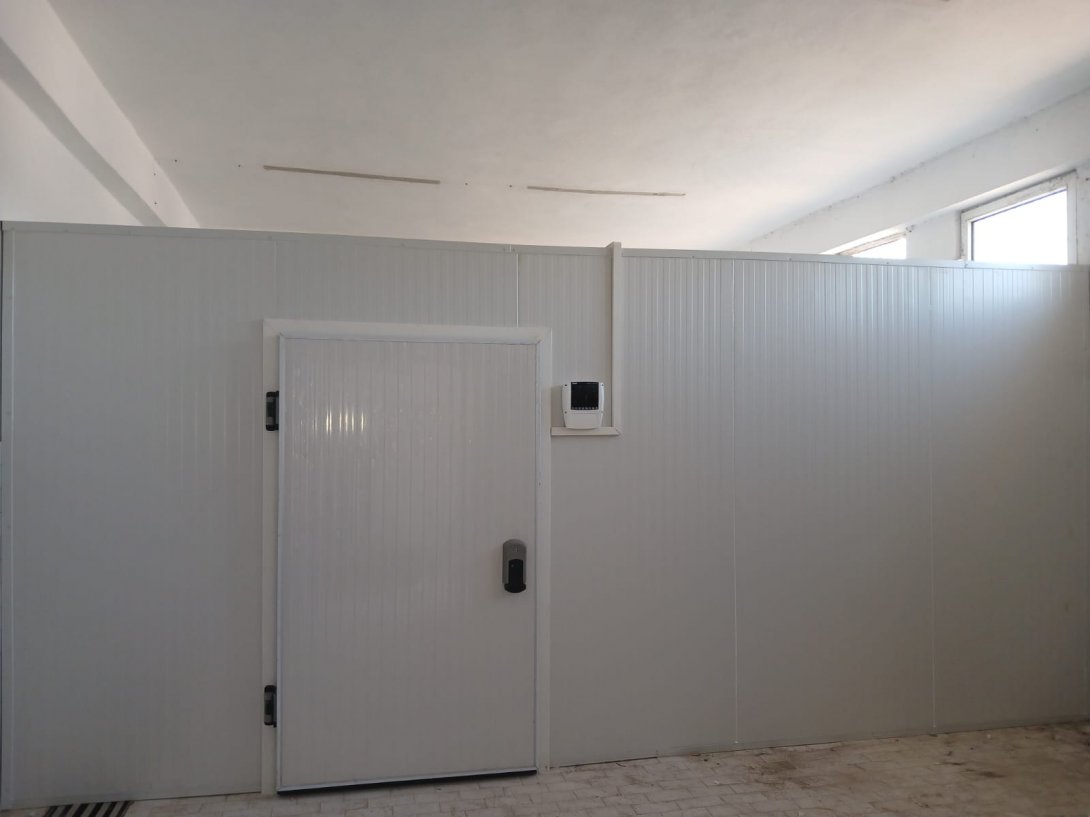
A hinged cold room door can latch without making continuous contact around its seals. Even when the latch has engaged, the gasket may fail to contact a corner or part of the bottom edge. A useful seal inspection locates that break in contact before deciding what needs correcting.
Identify the Actual Sealing Line
Start by identifying where the gasket is designed to meet the frame or threshold. Depending on the door construction, an external joint between rigid surfaces may remain visible even when the gasket behind it is sealing correctly.
Distinguish that construction gap from a break in gasket contact. Otherwise, staff may report a normal clearance as a fault or overlook a hidden contact problem because the outer edges appear neat.
Check the door in its normal fully closed position. Do not press against the leaf to make the seal appear continuous during inspection.
Map the Opening in Sections
Divide the inspection into the head, hinge side, latch side and bottom. Give each corner its own reference, and include the centre meeting joint on double-leaf doors.
Record the affected section on a simple sketch. A note such as “bottom seal loses contact near the latch-side corner” is more useful than “door leaks.” Add a photograph that shows both the location and the surrounding door detail.
Pay particular attention where different seal profiles meet. A bottom seal may contact the floor along most of its length while leaving a small opening at one end.
Use Light as a Clue
Visible light passing through an intended sealing line can reveal an opening worth investigating. However, the absence of visible light does not prove airtightness: overlapping profiles can hide a leakage path.
Treat a light check as visual screening, not a measurement of leakage rate or insulation performance. Any inspection requiring access inside the room should preserve a reliable means of exit and follow the site procedure.
If the contact line cannot be inspected clearly, ask the service technician to use a method appropriate to the fitted gasket. There is no universal visual test that certifies every seal design.
Match the Correction to the Location
Once a contact break is identified, inspect the mating area for an obstruction, displaced gasket or damaged contact surface. Where hands-on access is needed, secure the door against movement before proceeding.
A continuous gap along one side calls for a different investigation from a torn corner or a local depression beneath the bottom seal. The maintenance team should establish the cause before changing latch pressure, adjusting hardware or replacing a gasket.
After correction, revisit the marked locations and confirm normal opening, closure and sealing. Keep the sketch with the service record for your Hinged Cold Room Doors so future checks can compare the same areas.