Recognising Worn Door Seals
Recognising Worn Door Seals
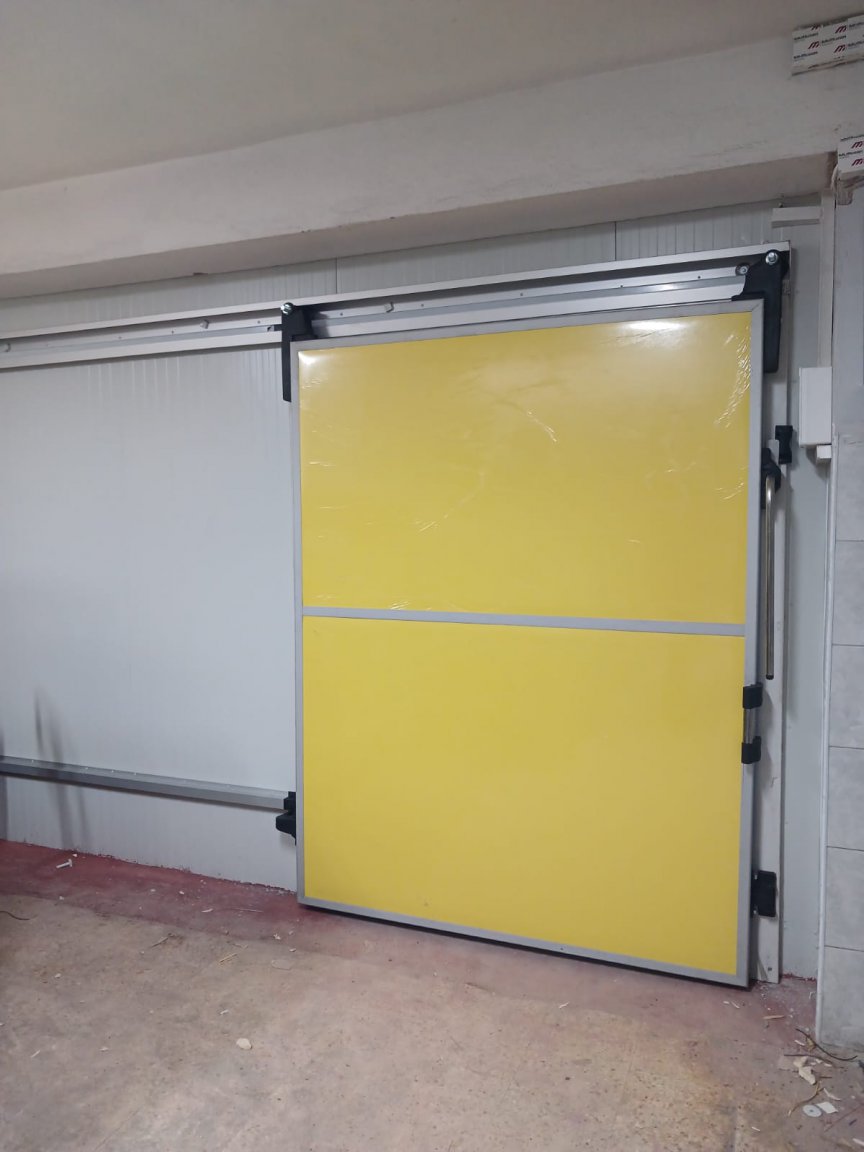
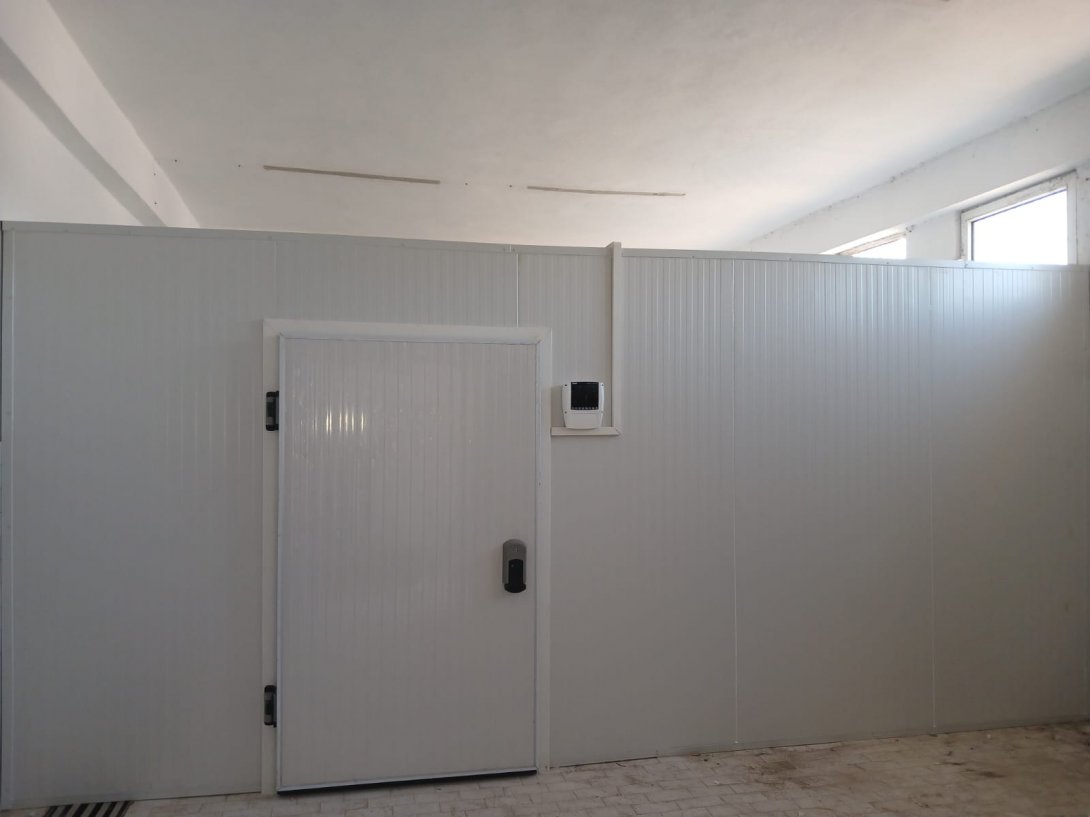
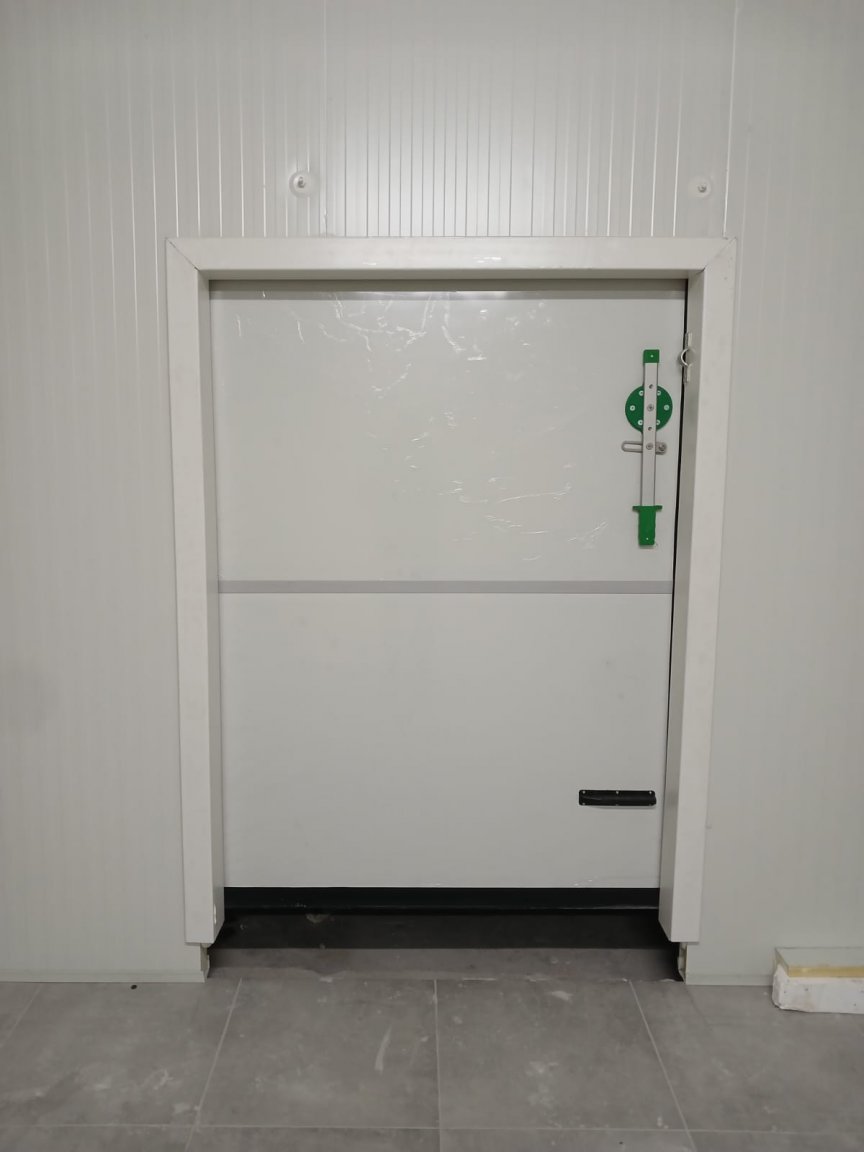
A split in a door gasket is easy to recognise. A seal that looks intact but no longer meets the frame is less straightforward. Before ordering a replacement for a sliding cold room door, separate damage to the material from dirt, a displaced retainer or a change in how the leaf closes.
Inspect More Than the Visible Edge
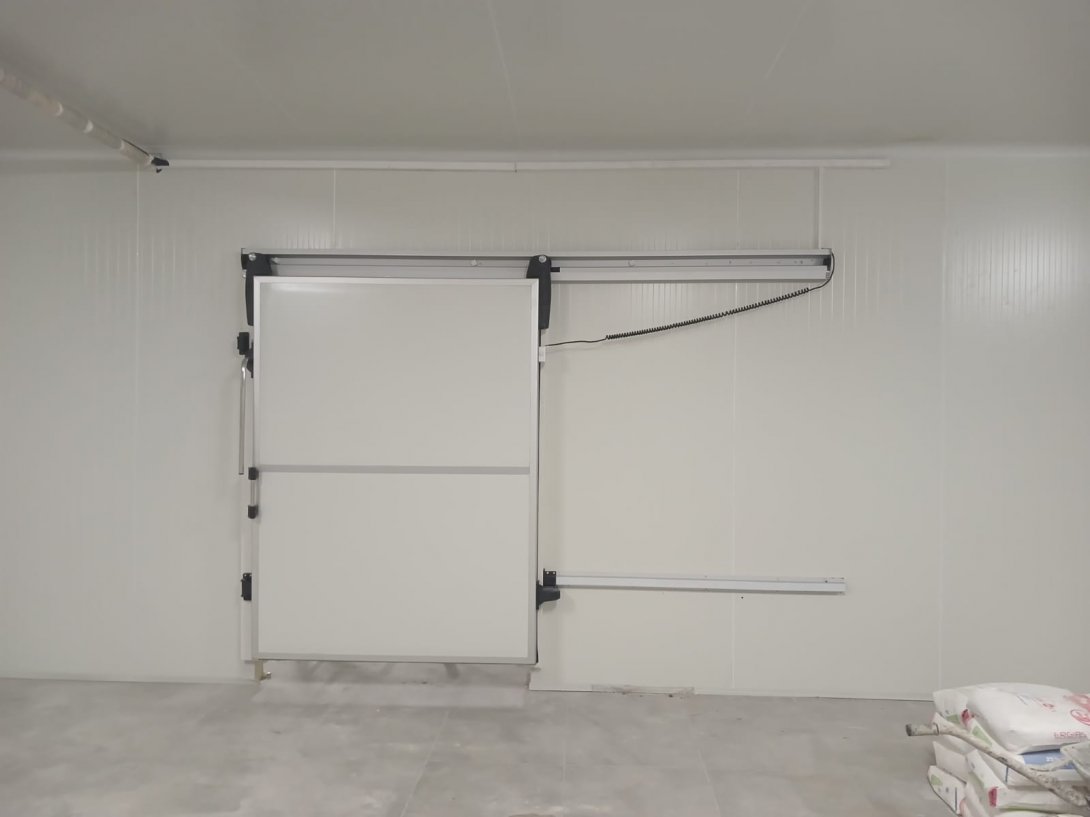
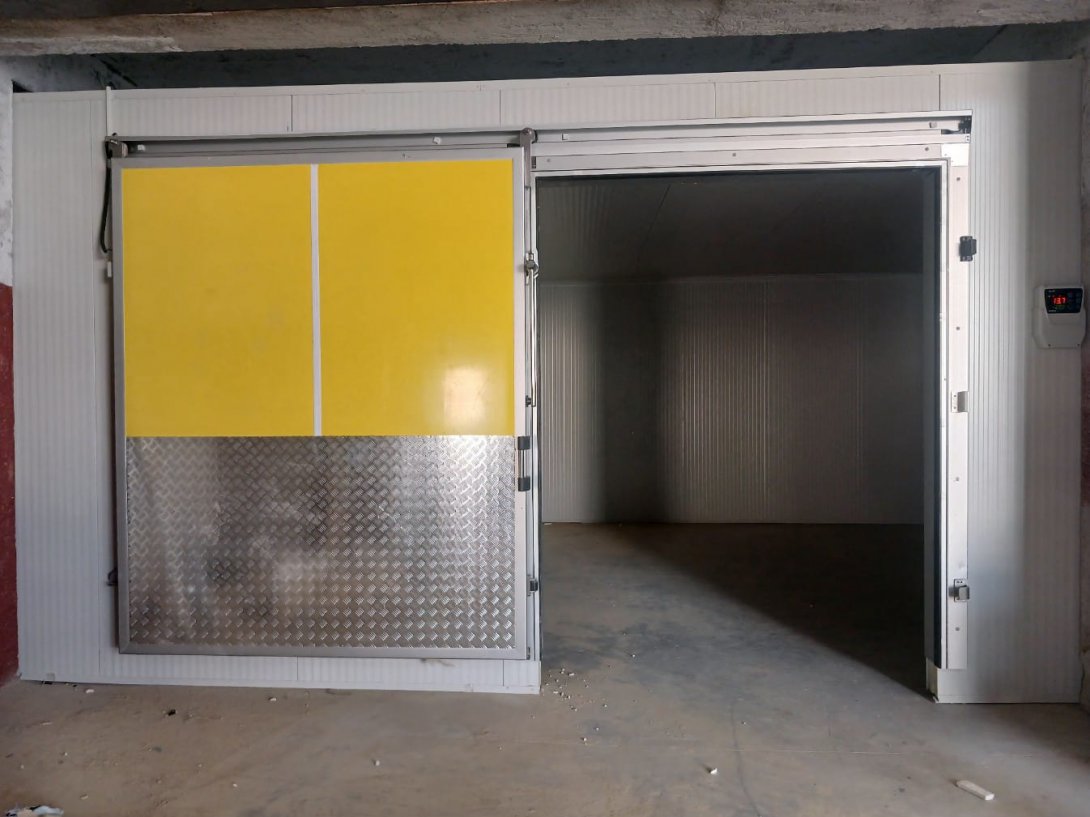
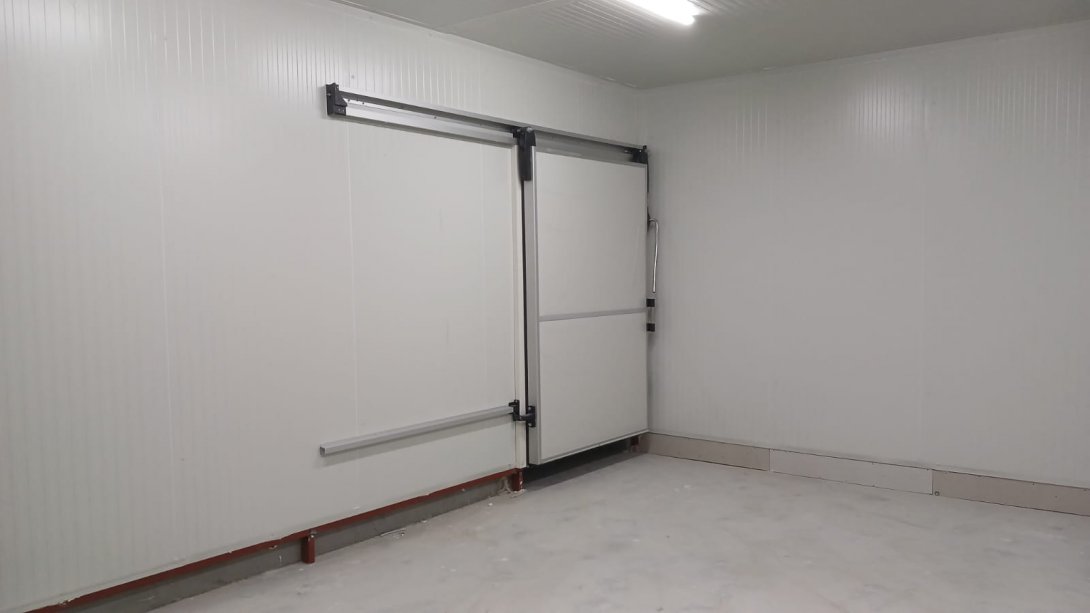
With the door secured against unintended movement, inspect accessible seals along the sides, top and bottom. Follow the site’s isolation procedure for powered doors. On bi-parting doors, include the meeting edges where the leaves close together.
Look for tears, missing sections and splits at corners or joints. Note any sealing lip that remains folded out of position or a section that has pulled away from its retainer. Photograph the location before disturbing it.
Where a floor sweep is fitted, check it separately. Damage may be concentrated at one end or where it repeatedly crosses an uneven surface. Replacing that strip without addressing the contact point can leave the new part exposed to the same wear.
Clean Before Judging the Material
Residue can hide a split or prevent proper contact with the mating surface. Clean accessible areas using the method approved for the fitted gasket, then reassess them. Avoid sharp scrapers or pulling the profile out merely to inspect behind it.
Discolouration alone does not establish that a gasket has failed. More useful evidence is a physical break, persistent deformation or a section that no longer makes the specified contact after cleaning and correct closure.
Investigate Gaps Before Ordering Parts
An intact gasket can leave a gap if the leaf, guide or retainer has shifted. If the problem appeared after an impact or adjustment, have the assembly checked before selecting a thicker seal to fill the space.
Condensation or frost near the doorway also needs context. It can accompany air leakage, but does not prove that the gasket itself is worn. Door-open time, surrounding humidity and freezer heating arrangements may also need investigation.
Record where moisture returns and whether a visible contact gap occurs at the same location. This gives maintenance a more useful starting point than a general report that the door is “not sealing.”
Match the Replacement to the Assembly
When replacement is required, identify the door model and existing gasket profile. Confirm its cross-section, fixing method, dimensions and suitability for the operating temperature. A visually similar strip may fit the retainer yet provide the wrong contact geometry.
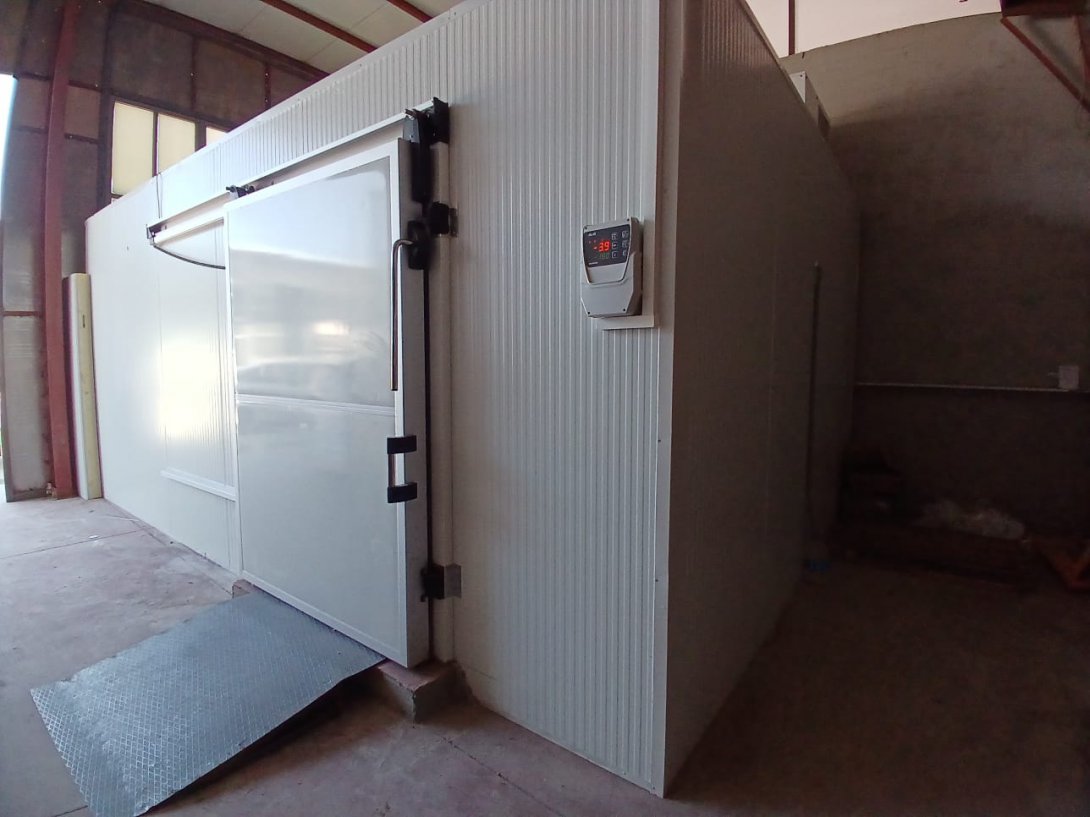
For freezer doors, confirm compatibility with any adjacent heater arrangement. Do not select replacement parts by colour or overall length alone.
After fitting, check smooth movement and sealing around the complete opening. Keep the approved part reference in the maintenance record for your Sliding Cold Room Doors so future replacements can be matched accurately. Frigovetta Refrigeration System can review the door identification and photographs when confirming the appropriate seal specification.