When Doors Stop Closing Properly
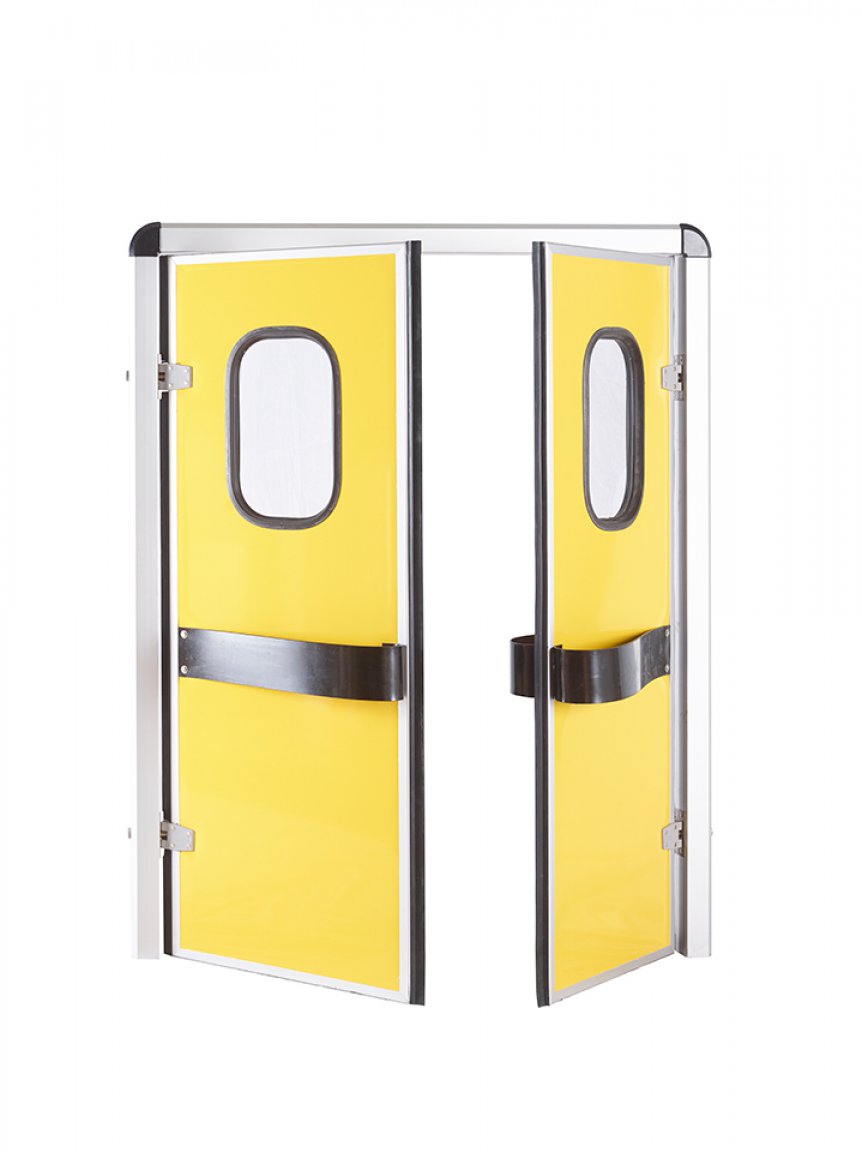
When Doors Stop Closing Properly
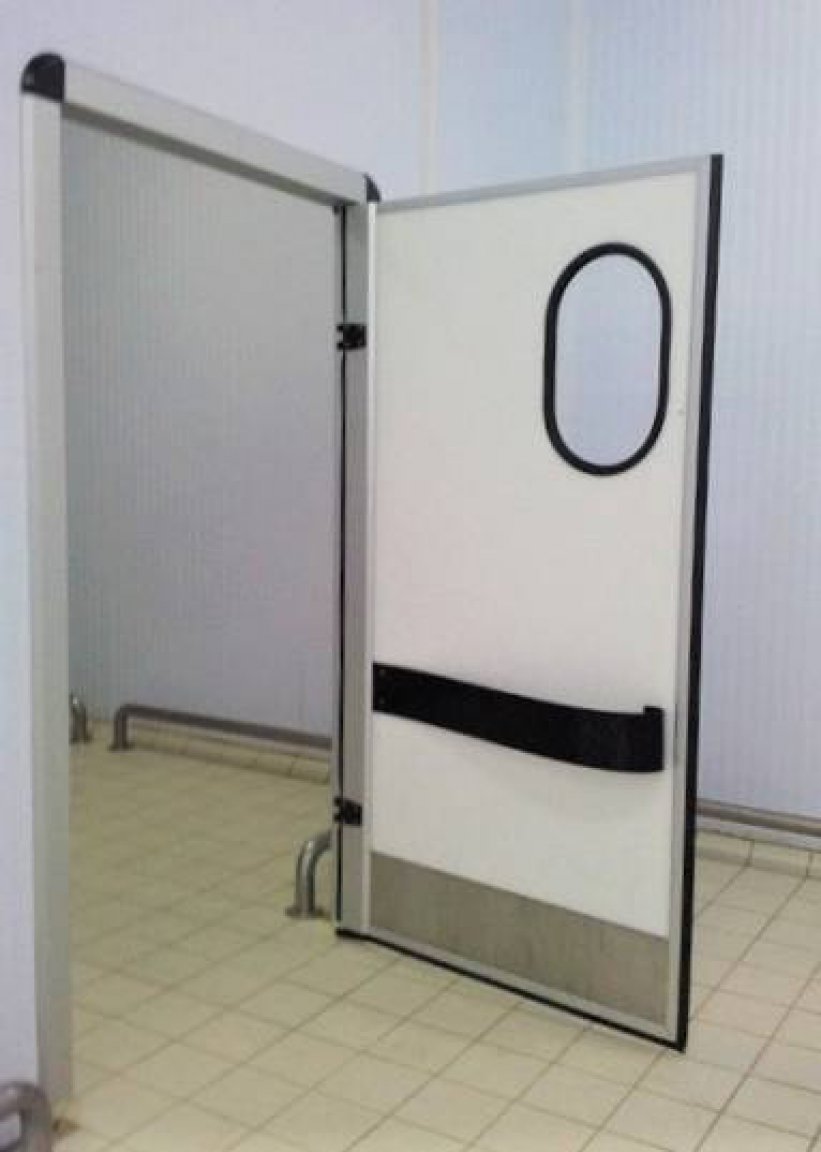
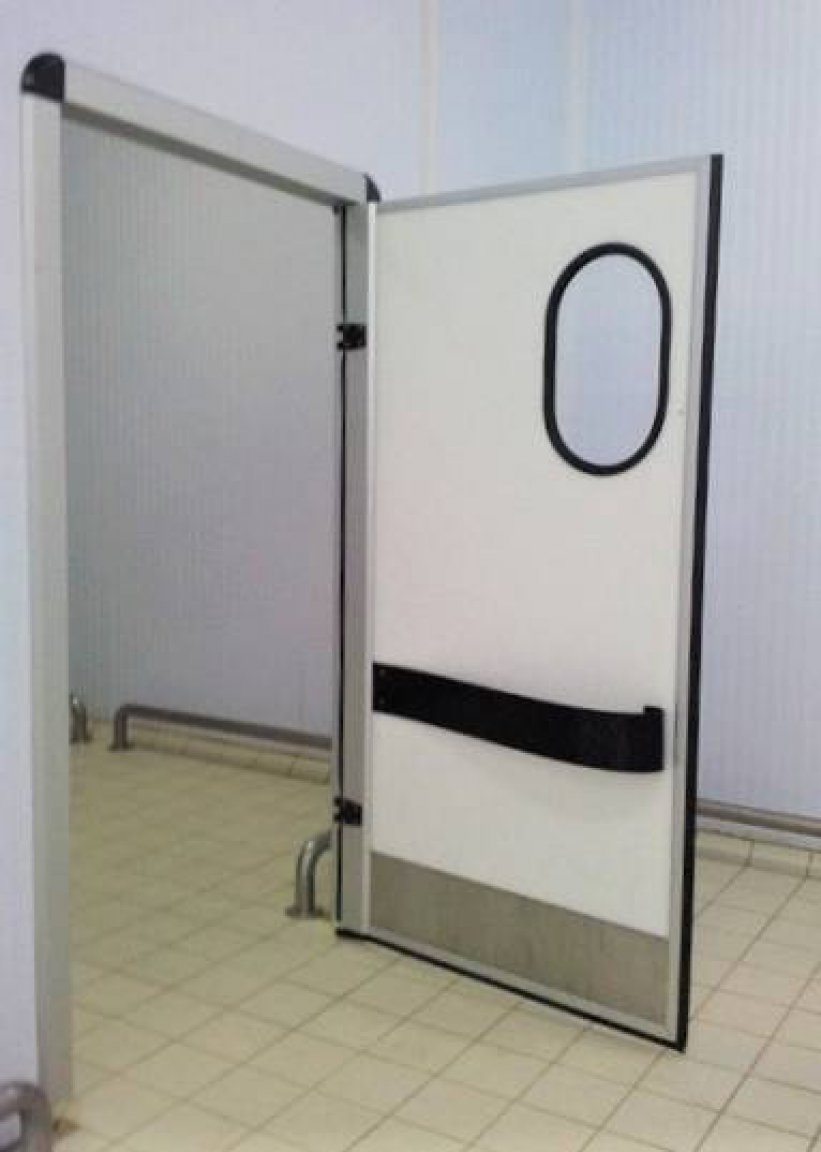
You pass through with a trolley, look back and notice one door leaf has stayed partly open. A second push brings it closer, but it still does not settle where it normally rests.
Before adjusting anything, identify whether the leaf is catching, returning to the wrong position or being held open by a fitted mechanism. These observations give maintenance a better starting point than simply reporting that the door will not close.
Start With What Changed
Did the problem begin after cleaning, an impact or work around the doorway?
Check for loose packaging, a displaced mat or another object touching the leaf. With the route clear and the door stationary, remove loose obstructions that can be reached without touching the mechanism.
If the model has a hold-open feature, check whether it is engaged and release it using the normal operating method. Do not force a leaf out of an unfamiliar retained position.
Watch Where It Stops
Provided there is no visible damage or loose mounting, observe a controlled return from each direction while standing outside the door’s sweep.
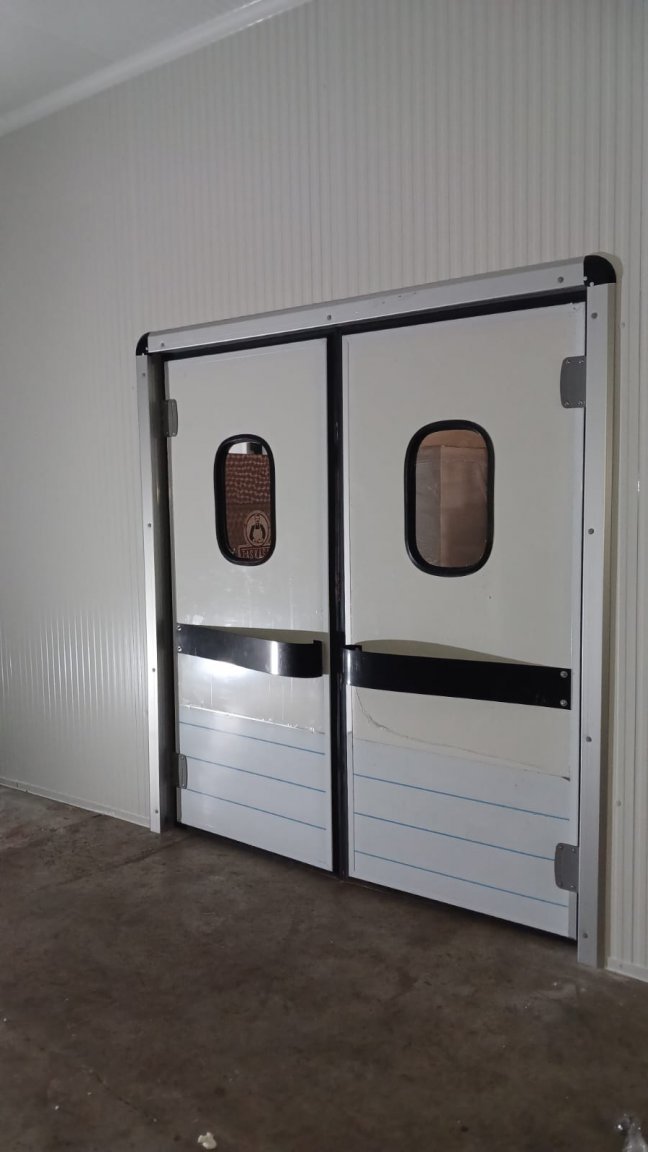
Does the leaf stop at the same point? Does it scrape the floor? Does it move freely but settle off-centre? On a two-leaf door, watch each leaf separately and check what happens where they meet.
| What you notice | What to check | Next step |
|---|---|---|
| The leaf stops at the same point | Visible contact with the floor, frame or seal | Remove loose obstructions. Persistent rubbing needs an alignment assessment. |
| The leaf moves freely but rests off-centre | Its resting position after movement from each direction | Have the centring mechanism checked for the installed hardware. |
| One leaf catches the other | The meeting edges and relative leaf positions | Request an alignment check before altering either leaf. |
| Return movement is slow or uneven | Unusual noise or changes in resistance | Have maintenance assess the pivots or return mechanism using the model’s instructions. |
These signs help narrow the inspection. None confirms the cause on its own.
Avoid the Quick Adjustment Trap
A centring fault is not necessarily a lack of closing force. Gravity-return, cam and spring mechanisms do not share one adjustment procedure.
Tightening a spring, shifting a hinge or spraying a general-purpose lubricant can leave the original fault unresolved. The maintenance team should identify the hardware before choosing an adjustment or servicing method.
Lubrication points, suitable products and requirements for supporting the leaf during work are model-specific. Likewise, do not trim a seal simply because it appears to rub. Misalignment may be causing the contact.
Give Maintenance Useful Evidence
A short video taken from a clear position can show more than a written fault description. Where the door can be operated safely, include its return from both directions and its final resting position.
Record when the problem began and whether anything changed beforehand. A recently replaced seal or an impact during a delivery may be relevant, even if the door initially seemed unaffected.
If fixings are loose, the leaf has visibly dropped or movement is unpredictable, stop using the doorway and report it instead of repeating the test.
Confirm the Result
After repair, check the return from both sides, the meeting edges and any fitted seals. The door should move and settle as specified without someone having to correct its position by hand.
If the fault returns, record the conditions again. Repeatedly nudging the leaf shut leaves the underlying problem unresolved.
For information about the product, see Insulated Swing Doors from Frigovetta Refrigeration System. When requesting technical guidance, include the door model, photographs and a clear description of the movement.