Door Swing and Traffic Flow
Door Swing and Traffic Flow
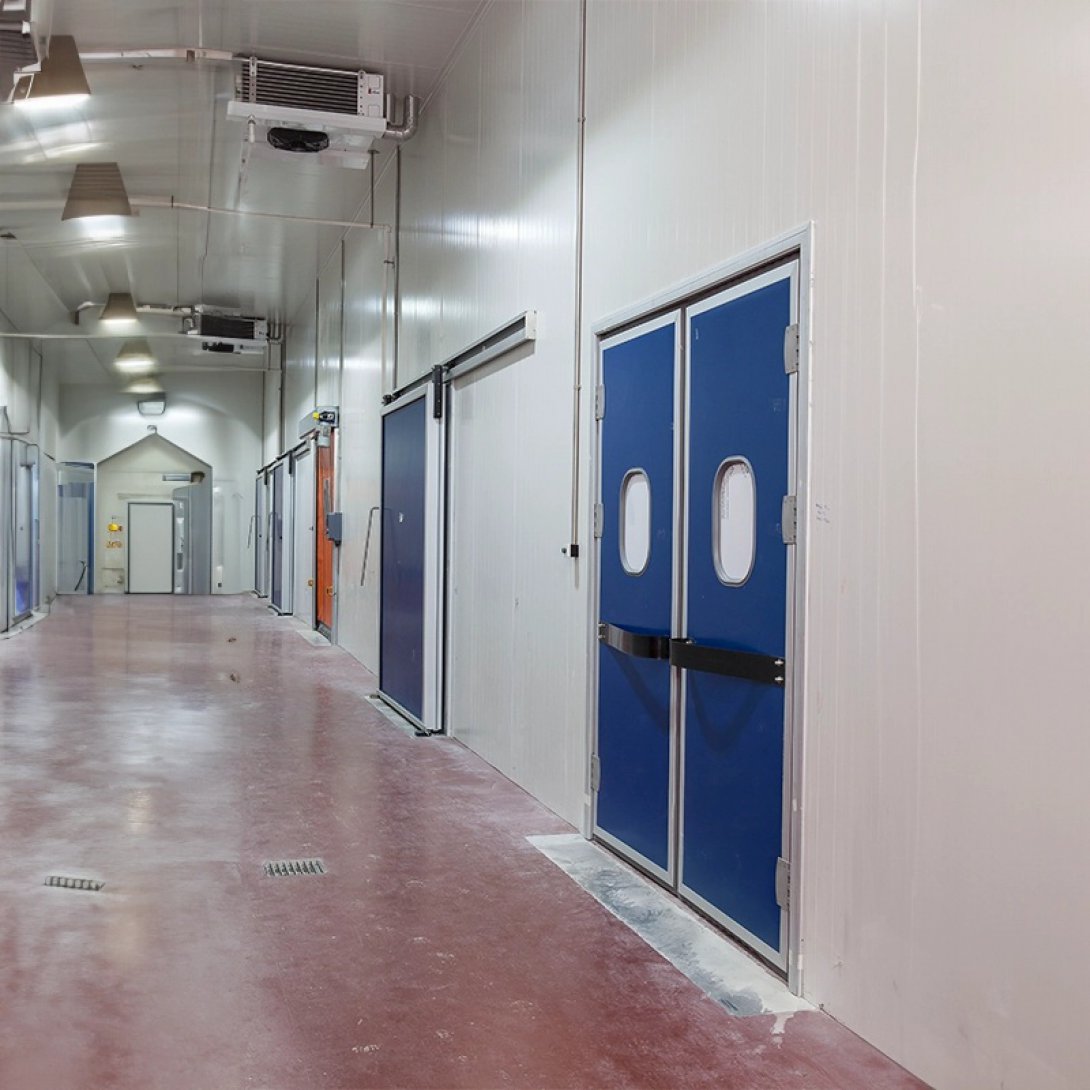
An insulated swing door can have enough clear width and still interrupt daily work. A trolley left beside the frame, a picking station on the opposite side or a busy crossing just beyond the doorway can all make passage awkward.
The door needs to be considered as part of the route through the room. What happens before and after someone passes through matters as much as the opening itself.
Follow a Complete Journey
Trace a typical movement from collection to delivery. Include where staff collect goods, where they turn and where they stop after passing through. A layout sketch should show these movements on both sides of the door, rather than a single arrow through the opening.
For example, consider a kitchen where loaded trolleys leave through a doorway while empty ones wait immediately outside. Moving the waiting position away from the opening may improve passage more than changing the door configuration.
Keep the Swing Area Clear
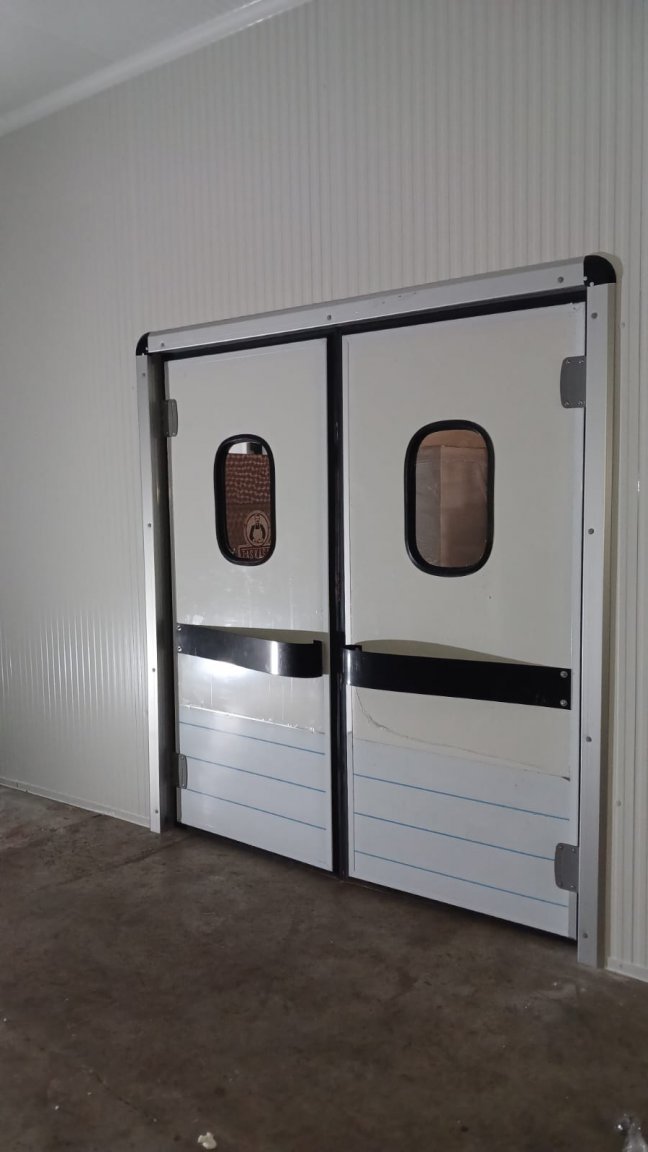
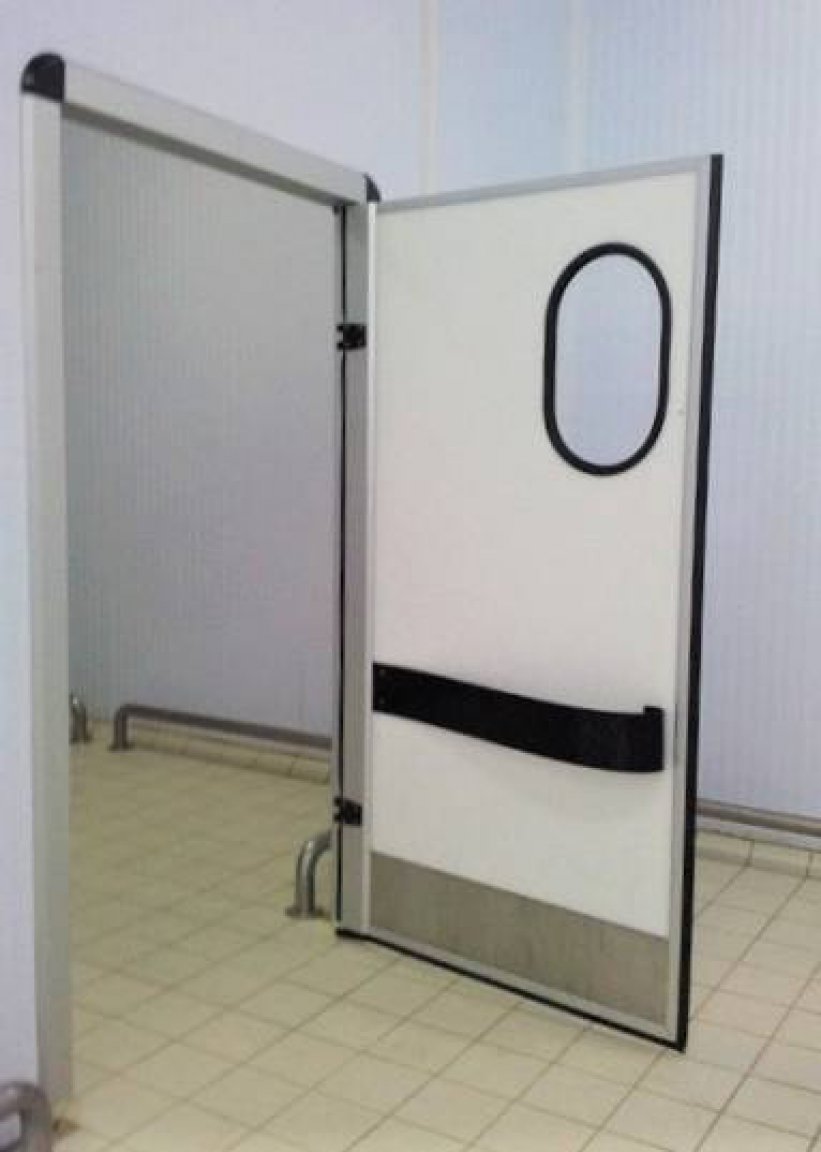
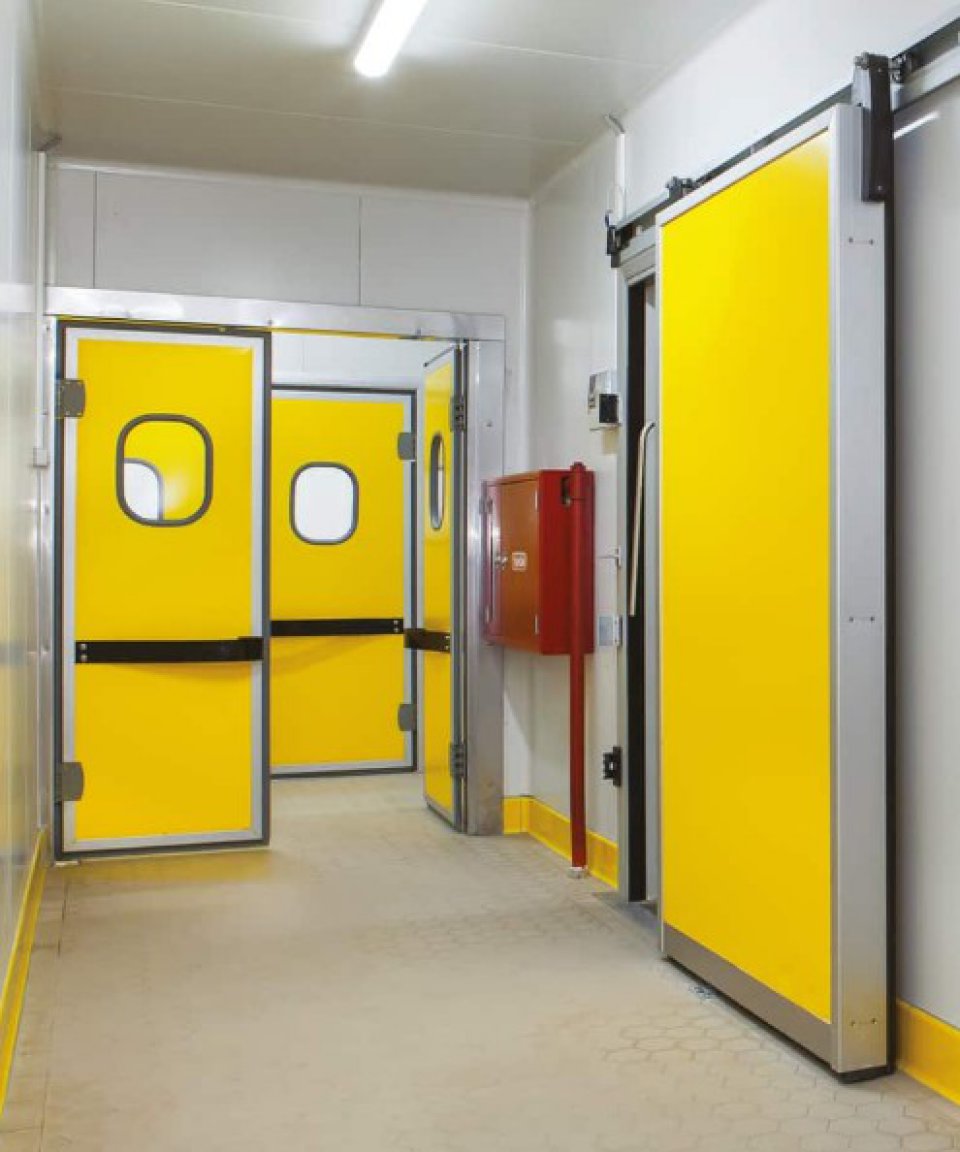
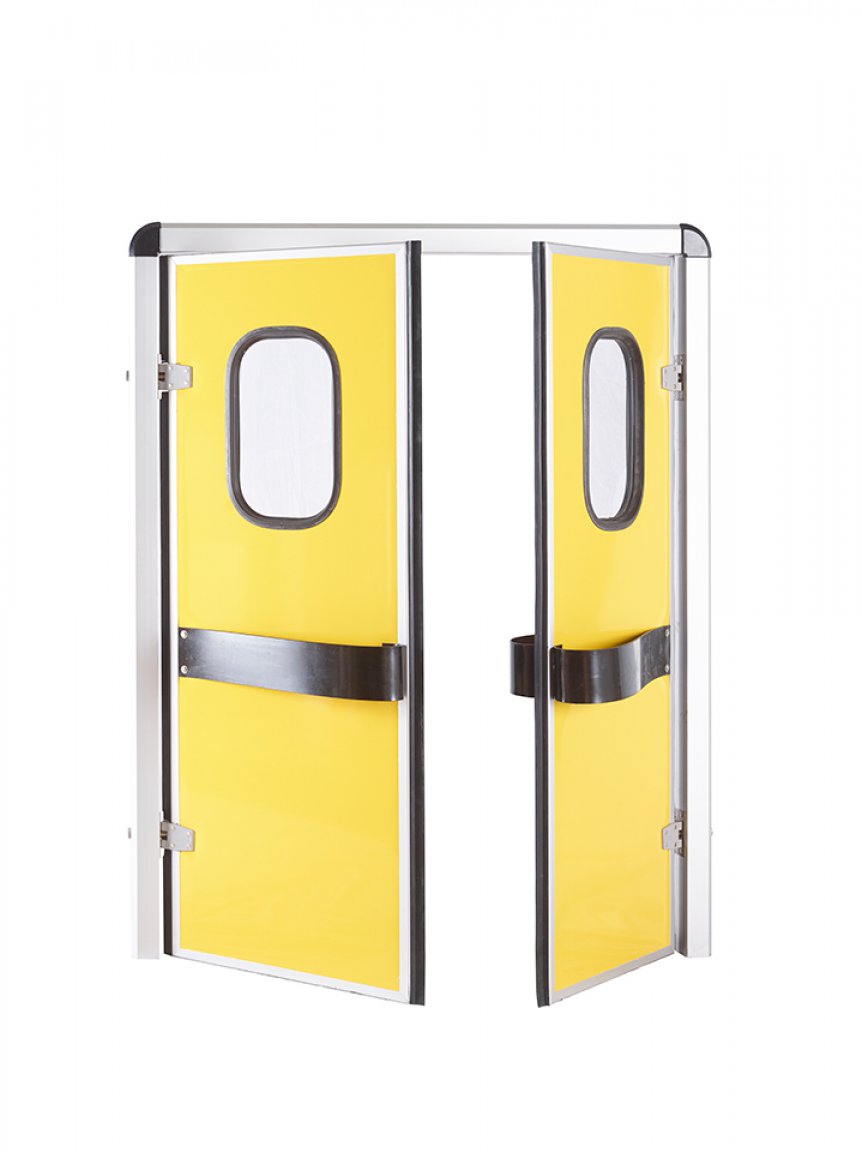
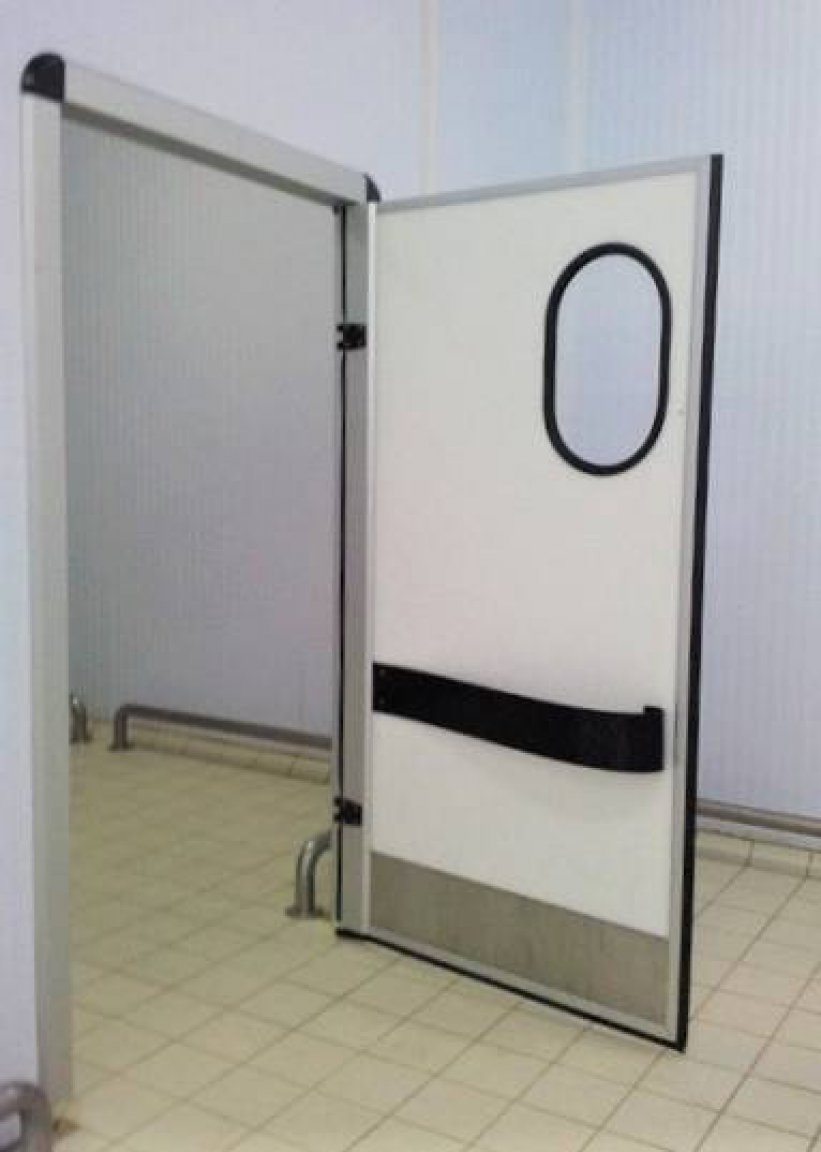
Double-action doors move into the space on either side of the opening. Allow for the full operating sweep of each leaf and its return movement. Shelves, bins and temporary storage should remain outside that area.
Include parking positions in the layout. If a trolley has no designated waiting space, the nearest empty patch beside the door can become its unofficial home. Over time, that changes how people approach and use the doorway.
The same applies to movable equipment. A waste bin or cleaning cart should have a place where it does not interfere with door movement.
Look Beyond the Window
Where vision panels are fitted, check the view from the actual approach. A clear window can still be ineffective if tall stock or a loaded trolley blocks the sightline. Lighting on both sides matters too.
Detailed window positioning belongs in the door specification, but route planning should establish what an approaching person needs to see. Visibility helps users assess the opening; it does not replace an organised traffic route.
Plan for Busy Periods
Average traffic can hide short periods of congestion. Look at delivery arrivals, replenishment and clearing after production. These activities may bring several users to the same doorway within a few minutes.
Decide where people or hand-pushed trolleys can wait without blocking door movement or another route. Plan how opposing traffic will give way at the doorway.
Where powered vehicles operate, provide separate pedestrian routes and entrances wherever practicable. The door arrangement should follow the site’s traffic plan, with the selected door suitable for the equipment using it.
Check the Installed Layout
Once equipment is in place, review the doorway under controlled conditions before routine use. Confirm that:
- The leaves can complete their intended movement.
- Waiting positions remain outside the swing area.
- Stored goods do not obstruct views.
- People can leave the doorway without entering another busy route unexpectedly.
Revisit the arrangement after moving shelving or adding a workstation. A useful review records approach paths, door sweeps, crossing points and waiting positions on one drawing.
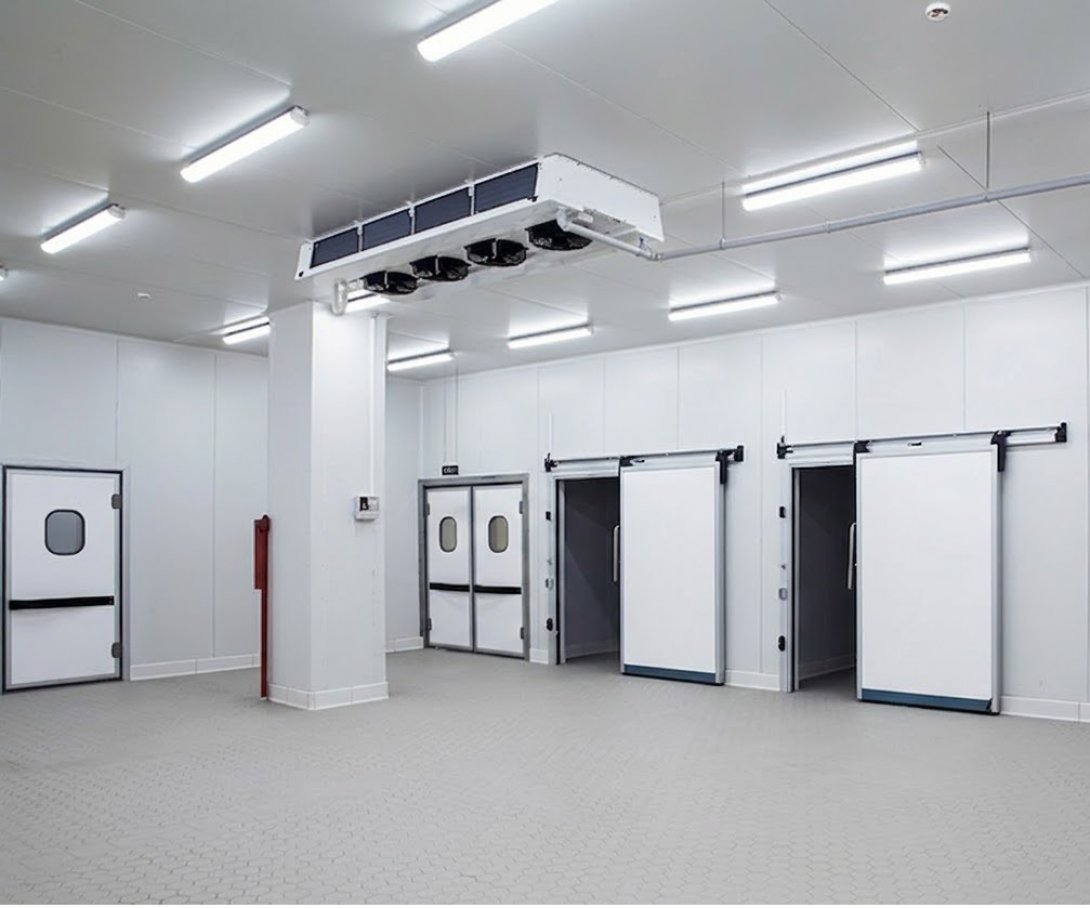
For available configurations, see Insulated Swing Doors. Frigovetta Refrigeration System can discuss the door arrangement alongside the intended traffic route.